





Listen to the Audio Version
Styrax Resinoid: Essential Aspects
In the world of natural aromatics, few materials hold the prestige and olfactory richness of Resinoid Styrax. Known for its sweet, balsamic and slightly leathery notes, this extract is a staple in fine perfumery and has been revered for centuries. Whether anchoring a complex fragrance or enriching a body care product, Resinoid Styrax offers depth, warmth and longevity that few other naturals can match.
This guide explores every essential aspect of Resinoid Styrax-from its origins and extraction to its composition, usage, safety and future. This article will deepen the understanding and appreciation of this powerful ingredient.
What is Resinoid Styrax? A Deep Dive into Its Origins and Composition
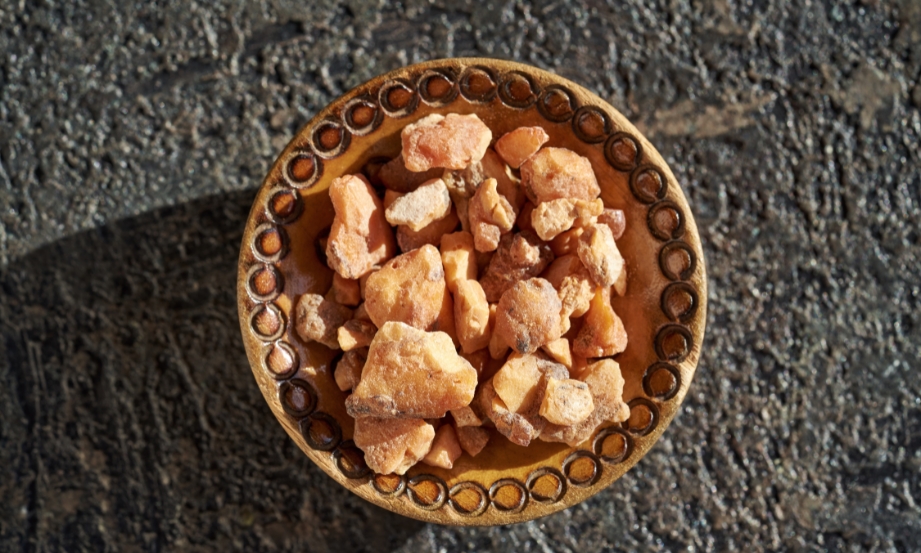
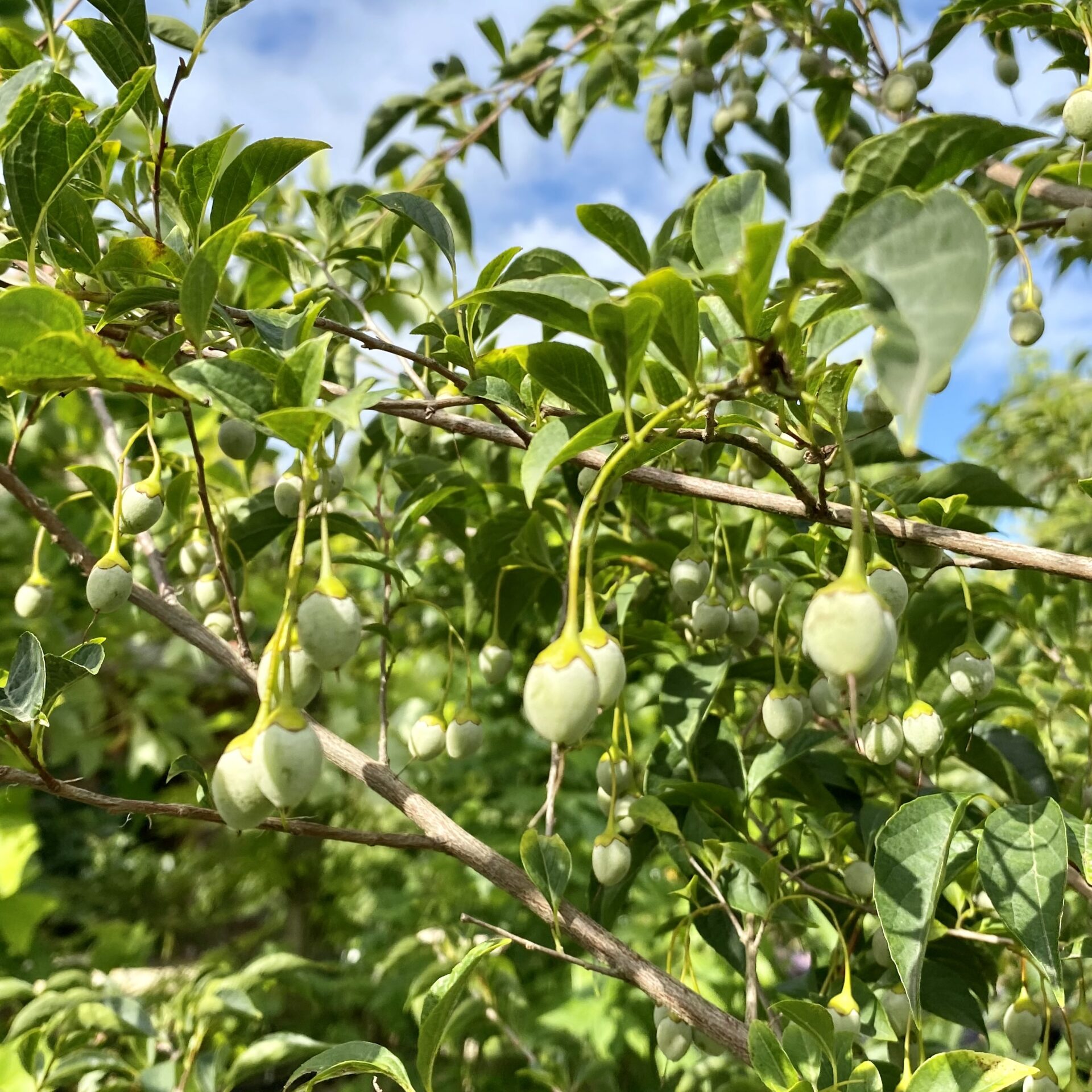
Resinoid Styrax is an aromatic substance derived from the Liquidambar tree species, primarily Liquidambar orientalis and Liquidambar styraciflua. These trees exude a fragrant resin when their bark is incised. That resin, once collected and processed, becomes what is known in the fragrance world as Resinoid Styrax.
Its enduring appeal lies in its complex scent, versatility in blends and exceptional fixative properties. Styrax trees are native to regions like Turkey, Southeast Asia and parts of Central America. The raw resin is sticky, dark and incredibly fragrant. Once extracted and purified, Resinoid Styrax becomes a rich material widely used in perfumery and cosmetics.
Main Features:
- Thick, resinous consistency.
- Amber to dark brown in color.
- Deep, warm and sweet aroma.
This material is not distilled like essential oils. Instead, it is processed using solvent extraction to preserve its full aromatic complexity.
Read Our Article
Sandalwood Oil: The Spiritual Significance in Various CulturesThe Solvent Extraction Method: How Resinoid Styrax is Produced?
The preferred method for obtaining Resinoid Styrax is solvent extraction. This process is ideal for raw materials that are too thick or delicate for steam distillation.
Extraction Steps:
- Collection: Resin is manually harvested from tree bark during warmer months.
- Solvent Use: Solvents such as hexane are used to dissolve aromatic compounds from the resin.
- Evaporation: The solvent is then removed through evaporation, leaving a thick resinoid behind.
- Optional Purification: In some cases, alcohol is added to convert the resinoid into an absolute, which is easier to work with in fragrance formulations.
This method helps retain the full spectrum of aromatic compounds, resulting in a robust, long-lasting material favored by professional perfumers.

Aroma Profile of Resinoid Styrax: Sweet, Balsamic, Woody and Amber Notes
Resinoid Styrax has a scent profile that is both luxurious and grounding. Its fragrance is warm, deep and multifaceted, making it a favorite base note in many iconic perfumes.
Key Aroma Characteristics:
- Top notes: Lightly sweet
- Mid notes: Balsamic, leathery, smoky
- Base notes: Amber, woody, resinous
It can evoke a sense of comfort and nostalgia, often compared to the scent of antique wood or incense. These qualities make it highly compatible with florals, woods and spices.
Its profile blends easily with other natural materials like patchouli, sandalwood, frankincense and labdanum.
Top Uses of Resinoid Styrax in Perfumery, Cosmetics and Aromatherapy
Resinoid Styrax is used extensively in several industries due to its rich aroma and fixative properties.
Common Applications:
- Fine Perfumery: A popular base note in oriental and amber compositions. It anchors volatile top notes and enhances longevity.
- Cosmetics: Found in scented lotions, creams and bath oils. Adds both aroma and viscosity to formulations.
- Aromatherapy: Occasionally used in massage oils or incense blends for its warm, grounding scent.
- Traditional Uses: Historically burned as incense or used in spiritual rituals.
Its versatility allows formulators to incorporate it across a wide range of products, adding depth and richness wherever it’s applied.
Our Other Product
Ambergris SyntheticThe Chemical Composition of Resinoid Styrax: Key Ingredients
The effectiveness and aroma of Resinoid Styrax come from its rich chemical makeup. It contains various compounds that contribute to its scent, fixative quality and solubility in perfume bases.
Major Constituents:
- Cinnamic Acid - Adds balsamic, sweet tones.
- Styrene - Sharp, slightly medicinal undertone.
- Benzyl Benzoate - Commonly used in perfumery as a fixative and solvent.
- Vanillin - Soft, creamy, sweet scent component.
- Cinnamyl Alcohol - Floral, spicy accent.
These compounds work in harmony, creating an olfactory experience that is hard to replicate with synthetic substitutes.
How to Store Resinoid Styrax for Maximum Shelf Life and Stability?
Like most natural aromatic substances, Resinoid Styrax requires careful storage to maintain its quality over time.
Best Storage Practices:
- Temperature: Keep in a cool, dry place. Avoid direct sunlight or excessive heat.
- Container: Use amber glass bottles or stainless steel to reduce light exposure.
- Seal: Ensure the lid is tightly closed to prevent oxidation.
- Shelf Life: Can last up to 5 years unopened. After opening, use within 18–24 months for best results.
Store away from reactive substances and moisture. With proper storage, Resinoid Styrax retains its aromatic intensity and physical stability.
Read Our Article
TTop 10 Health Benefits of Geranium OilSafety Guidelines for Handling and Using Resinoid Styrax in Formulations
Though natural, Resinoid Styrax must be handled with care, especially in professional cosmetic or perfumery labs.
Safety Measures:
- Skin Sensitivity: Dilute properly before topical application. Use patch testing when introducing into skin products.
- Concentration: Generally used at 1-5% in fragrances.
- Handling: Wear gloves and work in a ventilated area when dealing with large quantities.

Future Trends: The Growing Demand for Resinoid Styrax in Natural Perfumery
As interest in traditional and natural ingredients grows in the fragrance industry, Resinoid Styrax is seeing renewed popularity. Its historical use, rich scent profile and fixative strength make it an attractive choice for niche perfumers and heritage brands.
Emerging Developments:
- Rising demand in artisanal and niche perfumery.
- Increased use in limited-edition and vintage-inspired scents.
- New blends combining styrax with gourmand and floral bases.
Perfumers are revisiting classics and Resinoid Styrax is playing a central role in that revival. With its ability to harmonize complex blends and add emotional depth to scents, its role in the future of perfumery is strong and promising.
Conclusion
Resinoid Styrax is far more than just a fixative or a base note. It is a powerful aromatic substance with deep cultural roots, rich chemistry and an irreplaceable scent profile. From its careful extraction to its role in fragrance and cosmetic formulations, it brings a warmth and longevity that few other natural ingredients can rival.
As a leading manufacturer of Resinoid Styrax, BMV fragrances continues to shape the world of scent and remains a bridge between tradition and innovation. Unfolding its story with each new blend and ritual it touches.
Click for Resinoid Styrax Analysis
Click for Resinoid Styrax MSDS
FAQs on Styrax Resinoid
Styrax resinoid is a concentrated extract obtained via solvent extraction—typically using alcohol—from the raw balsam exuded by Liquidambar trees. Unlike Styrax essential oil, which is steam-distilled and contains only volatile top notes, Styrax resinoid captures heavy resin acids and fixative compounds. This makes Styrax resinoid a superior fixative that provides lasting depth, warmth, and leathery nuances to complex fragrance accords.
The quality and chemical profile of Styrax resinoid depend on whether it is derived from Liquidambar orientalis (Anatolian Sweetgum) or Liquidambar styraciflua (American Sweetgum). L. orientalis is often favored for its traditional medicinal and incense-rich profile, while L. styraciflua is widely used in modern perfumery for its sweet, balsamic, and spicy characteristics. Every shipment of Styrax resinoid from BMV Fragrances includes botanical authentication to ensure compliance with specific industry standards.
Styrax resinoid acts as a powerful "anchor" in a fragrance composition, significantly slowing the evaporation of more volatile citrus and floral notes. Its rich content of Cinnamic Acid and Benzyl Benzoate allows Styrax resinoid to blend seamlessly with oriental, amber, and leather accords. Using Styrax resinoid ensures that the final scent remains consistent and substantive on the skin for over 400 hours.
In traditional medicine, Styrax resinoid is prized for its potent antiseptic, anti-inflammatory, and expectorant properties. It is frequently used in pharmaceutical formulations to treat respiratory congestion and skin ailments like ulcers or minor wounds. In aromatherapy, the grounding aroma of Styrax resinoid is utilized to reduce stress and anxiety, improving mood scores in clinical trials.
Raw styrax balsam is extremely viscous and difficult to handle; therefore, the production of Styrax resinoid involves a specialized alcohol extraction and "glazing" process. This method removes natural waxes and impurities, resulting in a pourable, treacle-like Styrax resinoid that is easily soluble in perfume bases. BMV Fragrances optimizes the extraction of Styrax resinoid to maintain a consistent amber color and rich olfactory profile.
Global buyers must ensure that Styrax resinoid is compliant with the latest IFRA amendments, which restrict certain constituents due to potential skin sensitization or phototoxicity. Our Styrax resinoid is provided with a full documentation pack, including a 16-section GHS/CLP Safety Data Sheet (SDS) and REACH compliance declarations. Compliance ensures that Styrax resinoid can be safely exported and used in cosmetics across the EU, USA, and other regulated markets.
Purity is verified using a Gas Chromatography-Mass Spectrometry (GC-MS) report, which identifies marker compounds like Styrene, Vanillin, and Cinnamyl Alcohol. Styrax resinoid must meet specific ranges for refractive index and specific gravity to be considered genuine. BMV Fragrances provides batch-specific Certificates of Analysis (COA) for all Styrax resinoid shipments to prevent the risk of adulteration.
Sustainable sourcing of Styrax resinoid involves carefully timing the "tapping" of trees—typically during the spring and summer months in regions like Honduras and Turkey. Local cooperatives incise the bark to collect the sap, a process that must be managed ethically to ensure tree health and community support. BMV Fragrances maintains 100% traceability for its Styrax resinoid, supporting fair-price programs that secure long-term market stability.
Styrax resinoid typically has a shelf life of 24 months or longer when stored in a cool, dry place within tightly sealed containers. It should be protected from heat and direct light to prevent the degradation of its aromatic and therapeutic bioactive compounds. For bulk industrial use, keeping Styrax resinoid at ambient temperatures between 5°C and 45°C ensures its physical stability and prevents unwanted oxidation.
Contact Sales Team of BMV Fragrances for MOQs and required packaging options for Styrax resinoid.
Recent Posts
- Natural Vetiver Oil vs Vetiver Reconstitution vs Perfumery Base: Which Option Should Formulators Choose?
- Geranium Oil Quality Control: How Bulk Buyers Evaluate Purity and Batch Consistency
- Labdanum Resinoid Solubility and Handling: A Practical Guide for Fragrance Manufacturers
- Oudh Oil for Attar and Mukhallat: Building Balanced Traditional Fragrance Blends
- Frankincense Serrata in Fine Fragrance: Building Woody, Citrus and Balsamic Accords
- How to Choose Perfume Oil Manufacturers & Suppliers: A Buyer's Quality Checklist
- Fragrance Oil Stability Testing for Cosmetics, Soaps, Candles and Home-Care Products
Copyright @ 2026 | BMV Fragrances Private Limited | All Rights Reserved
Website Design & Digital Marketing by webmasterindia.
Website Updated On: