





Listen to the Audio Version
AI Summary
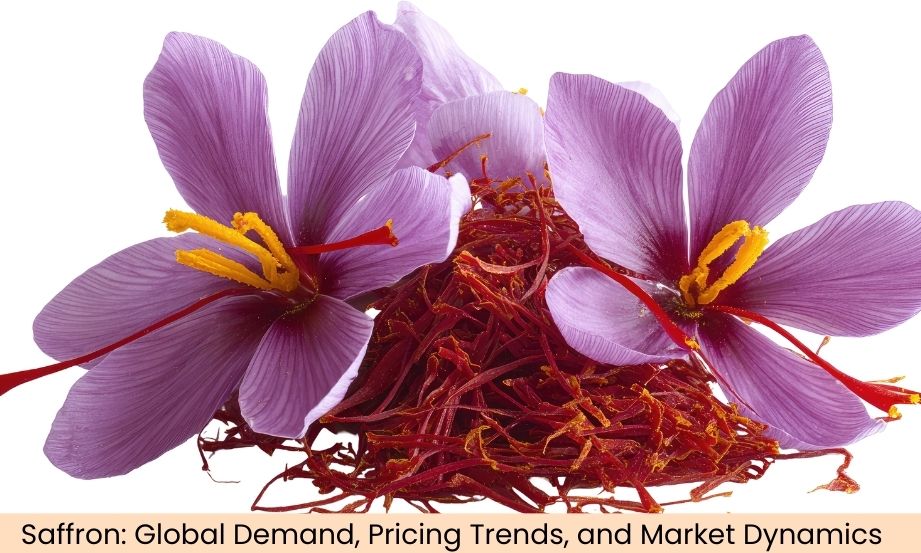
This article explores the growing global demand for saffron, its pricing trends, and how market dynamics are shaping the saffron industry. It examines the historical and cultural significance of saffron, its applications in modern culinary arts, cosmetics, traditional medicine, and aromatherapy, as well as the challenges faced in sustainable saffron farming. Furthermore, the article covers innovations in saffron processing and identifies the major producers and suppliers contributing to the global saffron supply chain.
The History and Cultural Significance of Saffron: A Spice with Rich Heritage
Saffron, often referred to as "red gold," has a long and storied history dating back over 3,000 years. Originating in the ancient civilizations of the Mediterranean, saffron was prized for its vivid color, distinctive flavor, and medicinal properties. It became a symbol of wealth and luxury, often used in royal kitchens and traditional ceremonies. The spice’s cultural significance extends across many regions, including Iran, India, and Spain, where it continues to hold symbolic importance in religious rituals, weddings, and local traditions.
Throughout history, saffron was used not only as a flavoring and dye but also as a remedy for various ailments. In traditional medicine, saffron was believed to have healing properties, including improving digestion and enhancing mood. Today, saffron remains a vital part of cultural identities in these regions, where it is revered for both its culinary and medicinal benefits.
Read Our Article
Saffron Extract Substitutes in Confectionery and Liquor Creations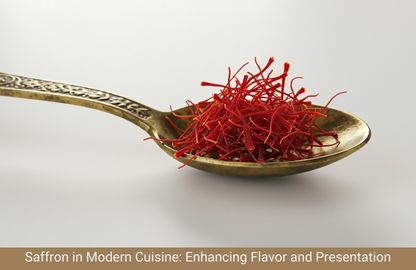
Saffron in Modern Culinary Arts: Elevating Flavor and Presentation
Saffron is a staple in contemporary cuisine, particularly in dishes that seek to enhance both flavor and presentation. Known for its aromatic intensity, saffron imparts a distinct, slightly sweet, and earthy flavor to dishes. It is commonly used in risottos, paellas, curries, and baked goods, where its deep red color provides a visually striking contrast against other ingredients. The spice is particularly popular in Mediterranean, Middle Eastern, and South Asian cuisines.
The growing popularity of saffron-infused dishes worldwide has resulted in a steady increase in demand for high-quality saffron. Pure saffron and natural saffron are now sought after for their authenticity and ability to elevate the taste of premium culinary creations. The spice’s versatility and ability to complement both savory and sweet dishes make it indispensable in the kitchens of top chefs globally.
Our Other Product
Pure Balsam PeruSaffron in Cosmetics: The Beauty Benefits of This Luxurious Spice
Beyond its culinary uses, saffron has found its way into the beauty industry, where its antioxidant, anti-aging, and brightening properties make it a popular ingredient in skincare products. Saffron extract is widely used in facial creams, serums, masks, and cleansers to brighten the skin, reduce pigmentation, and provide anti-inflammatory benefits.
The antioxidants present in saffron help protect the skin from free radicals, making it an effective anti-aging agent. Its ability to enhance skin tone and texture has led to a rise in the use of saffron in cosmetics, with many premium beauty brands incorporating saffron-based ingredients in their formulations. With the growing demand for natural saffron in skincare products, more beauty brands are focusing on harnessing the therapeutic power of this luxurious spice.
 Call Us
Saffron in Traditional Medicine: Therapeutic Benefits and Uses
Saffron has a long history of use in traditional medicine, where it has been employed as a remedy for a variety of conditions, including mood disorders, digestive issues, and skin ailments. Known for its mood-enhancing properties, saffron is often used in herbal teas and supplements to relieve symptoms of depression and anxiety.
In addition to its mood-boosting benefits, saffron has been used as an anti-inflammatory agent, promoting digestive health by easing bloating and indigestion. Some studies have also suggested that saffron may have potential in cancer prevention due to its high concentration of antioxidant compounds. The continued use of saffron extract in modern natural medicine underscores its enduring value as a therapeutic ingredient.
Sustainability and Ethical Farming of Saffron: Challenges and Solutions
Saffron cultivation is labor-intensive, with each flower requiring hand-harvesting, making the spice expensive and time-consuming to produce. The process of harvesting saffron involves collecting the delicate red stigmas of the flowers, which are then carefully dried. Given the rising demand for saffron globally, the sustainability of saffron farming is a growing concern.
Environmental challenges, such as water scarcity and soil depletion, affect saffron production. Farmers in key saffron-growing regions, such as India and Iran, are faced with the need for sustainable agricultural practices to ensure the long-term viability of saffron farming. Innovations in saffron farming include water-efficient irrigation techniques and crop rotation systems to maintain soil health.
Ethical farming practices, including fair wages for workers and sustainable cultivation methods, are also crucial in maintaining the integrity of saffron production. By promoting sustainable farming, the industry can continue to meet global demand while minimizing its environmental footprint.
The Role of Saffron in Traditional and Modern Aromatherapy
Saffron’s calming and uplifting properties extend beyond the culinary and medicinal industries into the world of aromatherapy. Used in essential oils and diffusers, saffron is believed to have a calming effect on the mind, making it a popular choice for reducing stress, anxiety, and promoting overall emotional well-being.
In modern aromatherapy, saffron oil is often blended with other essential oils like lavender, sandalwood, and rose to create soothing, grounding blends that promote relaxation. The growing interest in wellness and holistic therapies has contributed to the increased use of saffron in aromatherapy, where its fragrance is said to improve mood, enhance focus, and promote relaxation.
Read Our Article
Saffron Extract as a Natural Dye in Food, Fabric and RitualsHow to Identify High-Quality Saffron: Tips for Consumers and Industry Professionals
When purchasing saffron, it is essential to identify high-quality products to ensure purity and authenticity. The best saffron has deep red stigmas, with a rich golden-yellow color that results from careful drying. Consumers should look for saffron that has a strong, distinctive aroma, as low-quality saffron may lack the fragrance that defines this precious spice.
To ensure authenticity, buyers should seek saffron suppliers and saffron exporters who provide certified, traceable products with transparent sourcing practices. It's also crucial to verify the saffron manufacturer's reputation and ensure the product is free from additives or artificial coloring, which is common in lower-quality saffron.
Saffron in the Global Supply Chain: Key Producers and Export Markets
The global saffron market is dominated by a few key producers, with Iran, India, and Spain being the largest suppliers. Iran accounts for the majority of global saffron production, while India and Spain also contribute significant amounts, especially in high-quality saffron. Each of these countries has developed strategies to cater to both domestic and international demand.
Saffron suppliers in these regions work to meet the needs of various industries, including food, cosmetics, pharmaceuticals, and aromatherapy. Saffron distributors and wholesale suppliers play a crucial role in ensuring the spice reaches global markets, facilitating trade in Europe, the Middle East, and North America.
Innovations in Saffron Processing: Enhancing Purity and Shelf Life
Advancements in saffron processing have helped improve the purity, flavor, and shelf life of the spice. Modern drying and extraction techniques ensure that saffron retains its natural qualities while making it more accessible to consumers. The development of saffron extract and saffron resinoid has allowed manufacturers to create concentrated forms of saffron that are easier to incorporate into products like perfumes, cosmetics, and wellness supplements.
In addition, packaging innovations help extend the shelf life of saffron, protecting it from light, moisture, and air, which can degrade its quality. As global demand for saffron continues to grow, these innovations will play a key role in ensuring the spice remains available to consumers worldwide.
Our Other Product
Pure LabdanumConclusion
Saffron is a spice that has captured the world’s attention for centuries, prized for its rich aroma, distinctive flavor, and therapeutic properties. As the global demand for saffron continues to rise, key producers like Iran, India, and Spain are working to meet this demand while ensuring sustainability in saffron farming. With its growing applications in the culinary arts, cosmetics, and wellness industries, saffron remains a vital component in global markets. Innovations in processing and sourcing will help meet the challenges of supply while maintaining the quality and authenticity that make saffron a truly exceptional spice.
FAQs about Saffron
Saffron is expensive due to its labor-intensive harvesting process and the large quantity of flowers required to produce a small amount of saffron.
Saffron is used to enhance the flavor and color of dishes, particularly in paella, risotto, and curries.
Saffron has anti-inflammatory, antioxidant, and mood-boosting properties, and is used in traditional remedies for digestive health and skin care.
Saffron extract is a concentrated form of saffron, while saffron oil is the essential oil derived from saffron flowers, used in aromatherapy and cosmetics.
The best saffron is typically grown in Iran, India, and Spain, where the climate and soil conditions are ideal for cultivating high-quality saffron.
Saffron is used in cosmetics for its skin-brightening, anti-aging, and antioxidant properties, commonly found in face creams and serums.
Look for saffron that has deep red stigmas, a strong aroma, and a rich golden color. It should be free from additives and come from reputable suppliers.
In aromatherapy, saffron oil is used to promote relaxation, reduce stress, and improve mood by diffusing its calming fragrance.
Saffron resinoid is a concentrated form of saffron extracted using alcohol, used for fragrance and flavoring in various industries.
Yes, saffron has been used for centuries in traditional medicine for its therapeutic benefits, including mood enhancement and digestive health.
Recent Posts
- Natural Vetiver Oil vs Vetiver Reconstitution vs Perfumery Base: Which Option Should Formulators Choose?
- Geranium Oil Quality Control: How Bulk Buyers Evaluate Purity and Batch Consistency
- Labdanum Resinoid Solubility and Handling: A Practical Guide for Fragrance Manufacturers
- Oudh Oil for Attar and Mukhallat: Building Balanced Traditional Fragrance Blends
- Frankincense Serrata in Fine Fragrance: Building Woody, Citrus and Balsamic Accords
- How to Choose Perfume Oil Manufacturers & Suppliers: A Buyer's Quality Checklist
- Fragrance Oil Stability Testing for Cosmetics, Soaps, Candles and Home-Care Products
Copyright @ 2026 | BMV Fragrances Private Limited | All Rights Reserved
Website Design & Digital Marketing by webmasterindia.
Website Updated On: