
Pure & Natural Styrax (Storax/Styrax oil) Manufacturer & Supplier
As a leading manufacturer in the fragrance industry, BMV Fragrances offers a range of top-quality Styrax (Storax). Our world-class infrastructure ensures unmatched product consistency and purity. We deliver value through competitive pricing without sacrificing quality. Thanks to a vast distribution network, our products reach clients worldwide swiftly and reliably. With a focus on continuous research and development, we provide innovative solutions to meet evolving industry demands. Customer satisfaction is at the core of everything we do, and with decades of experience, we’ve earned the trust of our global clientele.
BMV Fragrances stands as a symbol of Reliability, Quality, and Excellence in the perfumery & fragrance manufacturing industry.
What tree produces Styrax and where is it found?
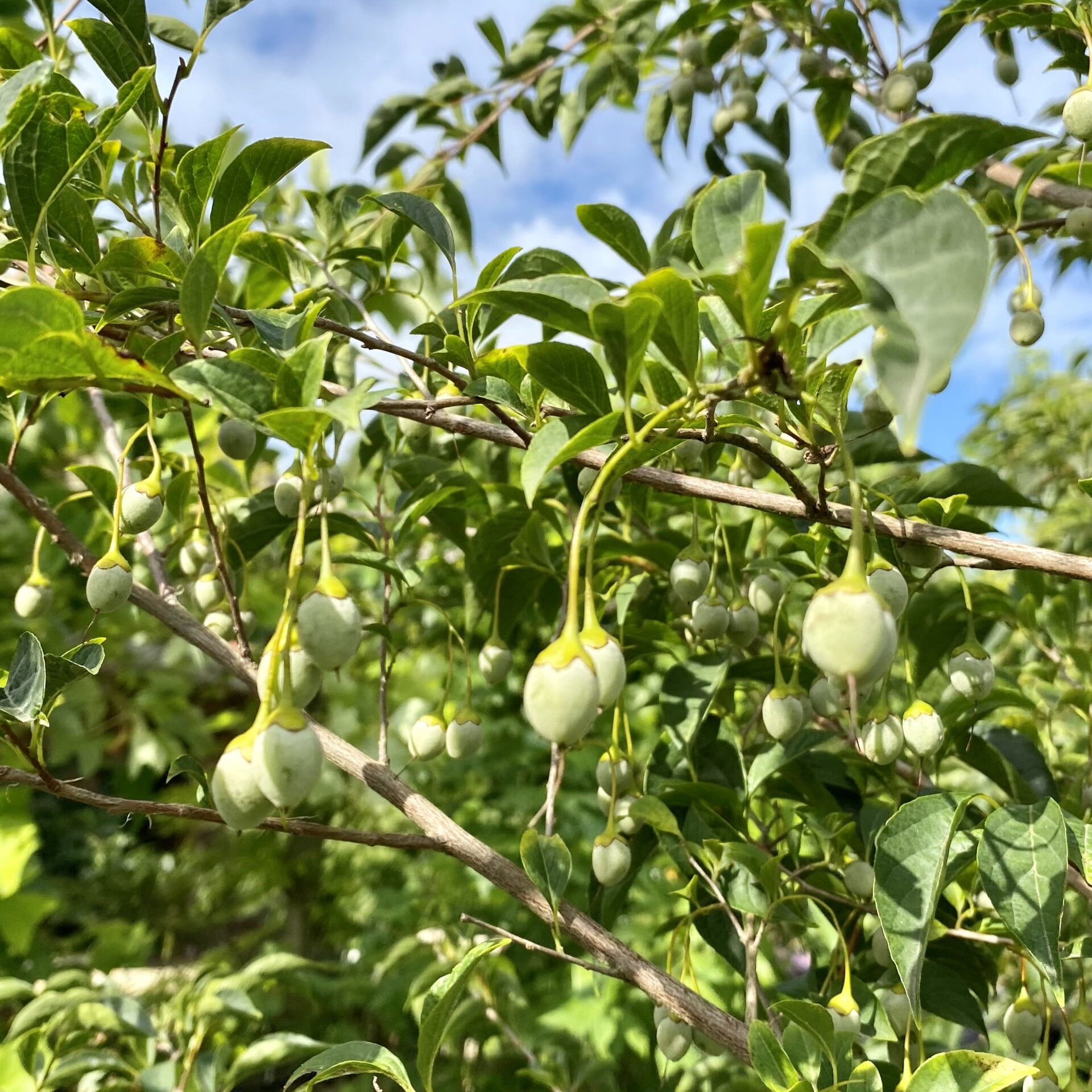
Styrax, also called Storax, is derived from the Liquidambar orientalis tree, which is a medium-sized tree native to Asia Minor and the surrounding Mediterranean islands.
How is Storax (Styrax) naturally formed in the tree?
Styrax forms as a natural balsam within the sapwood and bark tissues of the Liquidambar orientalis tree. It is produced as a protective secretion when the bark is wounded or peeled.
How is Styrax harvested from the tree?
Harvesting Styrax involves peeling sections of the bark and carefully tapping the sapwood, allowing the balsam to flow out. It is then gathered in containers placed beneath the incisions or scraped from the tree surface. Additional Styrax can be obtained by boiling the peeled bark in water.

What extraction methods are used to refine Styrax?
Styrax oil is extracted using alcohol (usually ethyl alcohol, and occasionally methyl alcohol). If moisture levels are high, several rounds of extraction are required to obtain the desired balsam.
What is the process of obtaining “Absolute of Styrax”?
After extraction, the solution is dried using agents like anhydrous sodium sulfate and then concentrated under mild vacuum. This results in the creation of “Styrax Absolute,” which is pale in color, alcohol-soluble, and retains the true fragrance character of the natural resin.
What are the key aromatic components found in Styrax?
The main aromatic components in Styrax oil include cinnamic alcohol and its esters, with small traces of cinnamal formed through oxidation, contributing to its spicy, balsamic scent.
How does Styrax oil contribute to fragrance compositions?
Styrax oil is widely used in perfumery to enhance fragrances with its balsamic and spicy notes. It blends effortlessly with other oils, making it a staple in fragrance compositions.
In what ways is Styrax oil utilized in skincare and cosmetics?
In cosmetics, Styrax oil is valued for its grounding properties and is used in products for its antimicrobial benefits and soothing effects on the skin.
How is Styrax used in aromatherapy?
In aromatherapy, Styrax oil is known for its calming effects, often used to promote relaxation and relieve stress.
What are the industrial uses of Styrax?
Styrax is also employed in industrial applications such as air fresheners, cleaning products, and other aromatic applications.

How does Styrax oil work as a fixative in fragrances?
Styrax oil acts as a natural fixative, helping to stabilize and prolong the longevity of fragrances by enhancing the scent profile of other ingredients.
Is Styrax compatible with other essential oils?
Yes, Styrax blends beautifully with a wide range of oils, including coumarin, cyclamal, linalool, terpineol, and ylang-ylang, making it versatile in fragrance formulations.
Why Choose BMV Fragrances?

Premium Quality:
100% pure and natural essential oils, resinoids, absolutes, and fragrance oils, ensuring unmatched quality.

Innovation-Driven:
Continuous investment in R&D to stay ahead of trends and deliver innovative solutions.

Global Leadership:
Trusted by top brands worldwide for excellence in fragrance production.

Extensive Range:
A wide variety of essential oils, perfume oils and fragrance oils to meet diverse industry needs.

Strict Quality Control:
Every batch undergoes rigorous checks for consistent, high-quality products.

Competitive Pricing:
Top-tier products at competitive prices for great value.

Source directly from manufacturer.
Call Now!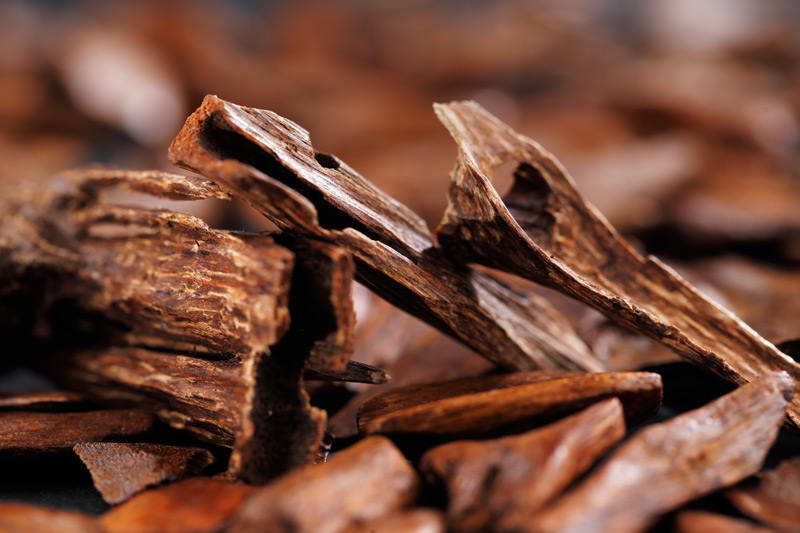
FAQs on Pure & Natural Styrax

Copyright @ 2026 | BMV Fragrances Private Limited | All Rights Reserved
Website Design & Digital Marketing by webmasterindia.
Website Updated On: