
Gardenia Reconstitution Supplier at Wholesale Price
BMV Fragrances is a premier manufacturer and supplier specializing in high-quality Gardenia Reconstitution serving the perfumery and fragrance industries. With state-of-the-art facilities for reconstitutions and natural extractions, we ensure purity and consistency in every product. Our competitive pricing allows businesses to access premium products without compromising on quality. Backed by a robust global distribution network, we deliver quickly and reliably. Our extensive product range reflects our ongoing commitment to research, innovation, and customer satisfaction, which remains our top priority. Trusted by industries worldwide, BMV has built a strong reputation over decades.
BMV Fragrances stands as a symbol of Reliability, Quality, and Excellence in the perfumery & fragrance manufacturing industry.
What is Gardenia and where is it naturally found?
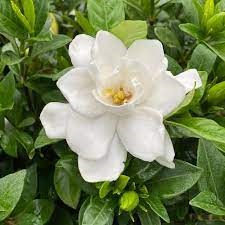
Gardenia is a genus of flowering plants in the Rubiaceae family, native to tropical and subtropical regions of Africa, southern Asia, Australasia, and Oceania.
Who named the Gardenia plant?
The genus was named by Carl Linnaeus and John Ellis after Dr. Alexander Garden, a Scottish-born American naturalist.
What does a Gardenia plant look like?
Gardenias are evergreen shrubs or small trees with dark green glossy leaves and white or pale yellow flowers that can reach 5-12 cm in diameter.
When do Gardenia flowers bloom?
Flowering typically occurs from mid-spring to mid-summer, and many species are strongly scented.
Which Gardenia species is commonly grown as a house plant?
Gardenia jasminoides is widely cultivated indoors but requires specific growing conditions.

What conditions are ideal for growing Gardenia jasminoides?
It prefers high humidity, bright indirect light, acidic well-drained soil, and temperatures between 20–23°C.
Why are Gardenia plants valued in horticulture?
They are prized for their large flowers and intense sweet fragrance.
What common issues can affect Gardenia plants?
Whiteflies, scales, mealybugs, and sooty mold may occur if the plant’s growing conditions are not properly maintained.
How can Gardenia plants be propagated?
They can be grown from seeds and root easily, making them suitable for sharing and cultivation.
Why is Gardenia significant in fragrance discussions?
Gardenia as a floral note has become less common but is considered worthy of reintroduction in fragrance compositions for its delightful scent.
Why Choose BMV Fragrances?

Premium Quality:
100% pure and natural essential oils, resinoids, absolutes, and fragrance oils, ensuring unmatched quality.

Innovation-Driven:
Continuous investment in R&D to stay ahead of trends and deliver innovative solutions.

Global Leadership:
Trusted by top brands worldwide for excellence in fragrance production.

Extensive Range:
A wide variety of essential oils, perfume oils and fragrance oils to meet diverse industry needs.

Strict Quality Control:
Every batch undergoes rigorous checks for consistent, high-quality products.

Competitive Pricing:
Top-tier products at competitive prices for great value.

Source directly from manufacturer.
Call Now!
FAQs on Gardenia Reconstitution

Copyright @ 2026 | BMV Fragrances Private Limited | All Rights Reserved
Website Design & Digital Marketing by webmasterindia.
Website Updated On: