Pure Tea Tree Oil FAQs
Tea Tree Oil is used by many skincare and wellness brands, including companies that produce natural remedies for acne, fungal infections, and minor skin irritations. It is also a popular ingredient in aromatherapy and household cleaning products.
Tea Tree Oil is primarily used in skincare products, hair care solutions, aromatherapy, and household cleaning products. Its antimicrobial properties make it effective in treating acne, dandruff, and other skin conditions.
Tea Tree Oil has been used for centuries by indigenous people in New Zealand and Australia, who valued the plant for its healing and antimicrobial properties, long before it became widely popular in modern medicine.
The best quality Tea Tree Oil is sourced from New Zealand and Australia, where the Leptospermum scoparium tree grows naturally in the regions of Tasmania, Victoria, and New South Wales.
The global demand for Tea Tree Oil is steadily increasing due to its growing popularity in skincare, wellness, and cleaning products. While production volumes are not precisely documented, Australia remains the leading supplier of Tea Tree Oil.
While many species within the Leptospermum genus exist, the most well-known species for oil production is Leptospermum scoparium. Other species, like Leptospermum laevigatum, are sometimes used, but they are less common.
The quality of Tea Tree Oil used in commercial products is regulated by bodies like the Therapeutic Goods Administration (TGA) in Australia and the International Fragrance Association (IFRA), which set safety and purity standards for essential oils.
Aside from the cosmetics and skincare industries, Tea Tree Oil is used in the food and beverage industry for flavoring and as a natural preservative. It is also incorporated into cleaning products due to its antiseptic properties.
Tea Tree Oil adds a fresh, herbaceous note to perfumes, particularly in fresh, herbal, and citrus blends. Its antimicrobial and earthy scent makes it ideal for natural and organic fragrances.
Tea Tree Oil is unique due to its powerful antimicrobial properties, making it especially effective in treating skin conditions. Its versatility in both personal care products and cleaning solutions sets it apart from other essential oils.
Tea Tree Oil cultivation is relatively sustainable, especially when compared to other oil-producing crops. However, overharvesting and land degradation can occur if proper cultivation and environmental management practices are not followed.
BMV Fragrances Pvt. Ltd. offers Pure & Natural Tea Tree Oil, known for its high-quality extraction, ideal for use in both personal care formulations and aromatherapy blends.
Pure and Natural Tea Tree Essential Oil
BMV Fragrances is a premier manufacturer and supplier specializing in high-quality Tea Tree Essential Oil, serving the perfumery and fragrance industries. With state-of-the-art facilities for reconstitutions and natural extractions, we ensure purity and consistency in every product. Our competitive pricing allows businesses to access premium products without compromising on quality. Backed by a robust global distribution network, we deliver quickly and reliably. Our extensive product range reflects our ongoing commitment to research, innovation, and customer satisfaction, which remains our top priority. Trusted by industries worldwide, BMV has built a strong reputation over decades.
BMV Fragrances stands as a symbol of Reliability, Quality, and Excellence in the perfumery & fragrance manufacturing industry.
What is Tea Tree Oil and where does it come from?
Tea Tree Oil is derived from the leaves of Leptospermum scoparium, commonly known as the Manuka or New Zealand Tea Tree. Native to New Zealand and southeast Australia, it is known for its antimicrobial and therapeutic properties.
How tall does the Tea Tree grow?
Tea Tree is a scrub-type tree or shrub that typically grows to 2–5 meters (7–16 feet) tall, although it can sometimes reach up to 15 meters (49 feet) in height in ideal conditions.
What are the physical characteristics of the Tea Tree?
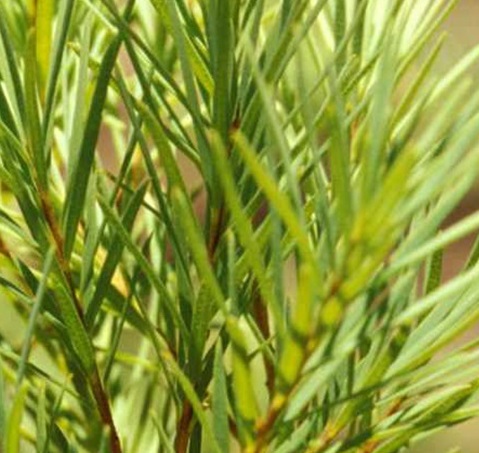
The Tea Tree has dense branching with small, prickly leaves that are 7–20 mm long and 2–6 mm broad. Its flowers are white or occasionally pink, with a diameter ranging from 8–15 mm.
What is the difference between Manuka and Kanuka trees?
Manuka (Leptospermum scoparium) has prickly leaves, whereas Kanuka (Kunzea ericoides) has soft leaves. The easiest way to differentiate the two is by feeling their foliage.
Where is Tea Tree Oil primarily produced?
Tea Tree Oil is produced in New Zealand, where the plant thrives, and in Australia, particularly in Tasmania, Victoria, and New South Wales.
What is the history of the Tea Tree plant?
Tea Tree is believed to have originated in Australia before the Miocene period and later spread to New Zealand. It was used by Polynesian settlers for medicinal purposes and adapted to the low-nutrient soils created by fire and forest-clearing.
What is the primary use of Tea Tree Oil?
Tea Tree Oil is widely used in skincare, especially for its antimicrobial properties. It is also commonly found in shampoos, soaps, and ointments for treating skin conditions like acne and athlete's foot.
What are the chemical properties of Tea Tree Oil?
Tea Tree Oil contains compounds like terpinen-4-ol, which contribute to its strong antimicrobial properties. It is also valued for its ability to promote healing and soothe skin irritation.

How is Tea Tree Oil extracted?
Tea Tree Oil is steam distilled from the leaves of the Leptospermum scoparium tree, ensuring the retention of its potent natural properties for use in personal care and medicinal products.
What are the therapeutic benefits of Tea Tree Oil?
Tea Tree Oil is known for its antimicrobial, anti-inflammatory, and antiseptic properties, making it ideal for treating a variety of skin conditions like acne, dandruff, and minor cuts and burns.
Pure Tea Tree Oil FAQs
Who uses Tea Tree Oil in their products?
Tea Tree Oil is used by many skincare and wellness brands, including companies that produce natural remedies for acne, fungal infections, and minor skin irritations. It is also a popular ingredient in aromatherapy and household cleaning products.
What are the primary applications of Tea Tree Oil?
Tea Tree Oil is primarily used in skincare products, hair care solutions, aromatherapy, and household cleaning products. Its antimicrobial properties make it effective in treating acne, dandruff, and other skin conditions.
When was Tea Tree Oil first used in traditional medicine?
Tea Tree Oil has been used for centuries by indigenous people in New Zealand and Australia, who valued the plant for its healing and antimicrobial properties, long before it became widely popular in modern medicine.
Where is Tea Tree Oil most commonly sourced?
The best quality Tea Tree Oil is sourced from New Zealand and Australia, where the Leptospermum scoparium tree grows naturally in the regions of Tasmania, Victoria, and New South Wales.
How much Tea Tree Oil is produced globally each year?
The global demand for Tea Tree Oil is steadily increasing due to its growing popularity in skincare, wellness, and cleaning products. While production volumes are not precisely documented, Australia remains the leading supplier of Tea Tree Oil.
How many species of Leptospermum produce Tea Tree Oil?
While many species within the Leptospermum genus exist, the most well-known species for oil production is Leptospermum scoparium. Other species, like Leptospermum laevigatum, are sometimes used, but they are less common.
Whose regulations ensure the quality of Tea Tree Oil in products?
The quality of Tea Tree Oil used in commercial products is regulated by bodies like the Therapeutic Goods Administration (TGA) in Australia and the International Fragrance Association (IFRA), which set safety and purity standards for essential oils.
Which industries utilize Tea Tree Oil aside from skincare?
Aside from the cosmetics and skincare industries, Tea Tree Oil is used in the food and beverage industry for flavoring and as a natural preservative. It is also incorporated into cleaning products due to its antiseptic properties.
How does Tea Tree Oil impact the fragrance of perfumes?
Tea Tree Oil adds a fresh, herbaceous note to perfumes, particularly in fresh, herbal, and citrus blends. Its antimicrobial and earthy scent makes it ideal for natural and organic fragrances.
What makes Tea Tree Oil unique compared to other essential oils?
Tea Tree Oil is unique due to its powerful antimicrobial properties, making it especially effective in treating skin conditions. Its versatility in both personal care products and cleaning solutions sets it apart from other essential oils.
What is the environmental impact of Tea Tree Oil cultivation?
Tea Tree Oil cultivation is relatively sustainable, especially when compared to other oil-producing crops. However, overharvesting and land degradation can occur if proper cultivation and environmental management practices are not followed.
BMV Fragrances Pvt. Ltd. provides which Tea Tree Oil product for fragrance applications?
BMV Fragrances Pvt. Ltd. offers Pure & Natural Tea Tree Oil, known for its high-quality extraction, ideal for use in both personal care formulations and aromatherapy blends.