
Pure & Natural Mace Oil Manufacturer, Exporter and Supplier in India
BMV Fragrances is a premier manufacturer and supplier specializing in high-quality Mace Oil. Known for its warm, spicy, and aromatic profile, Mace Oil is derived from the dried aril of the nutmeg fruit and is valued for its distinctive fragrance. It is widely used in perfumery, flavoring, and aromatic compositions where rich spicy notes are desired.
BMV Fragrances stands as a symbol of Reliability, Quality, and Excellence in the perfumery & fragrance manufacturing industry.
What is Mace Oil derived from Mace?
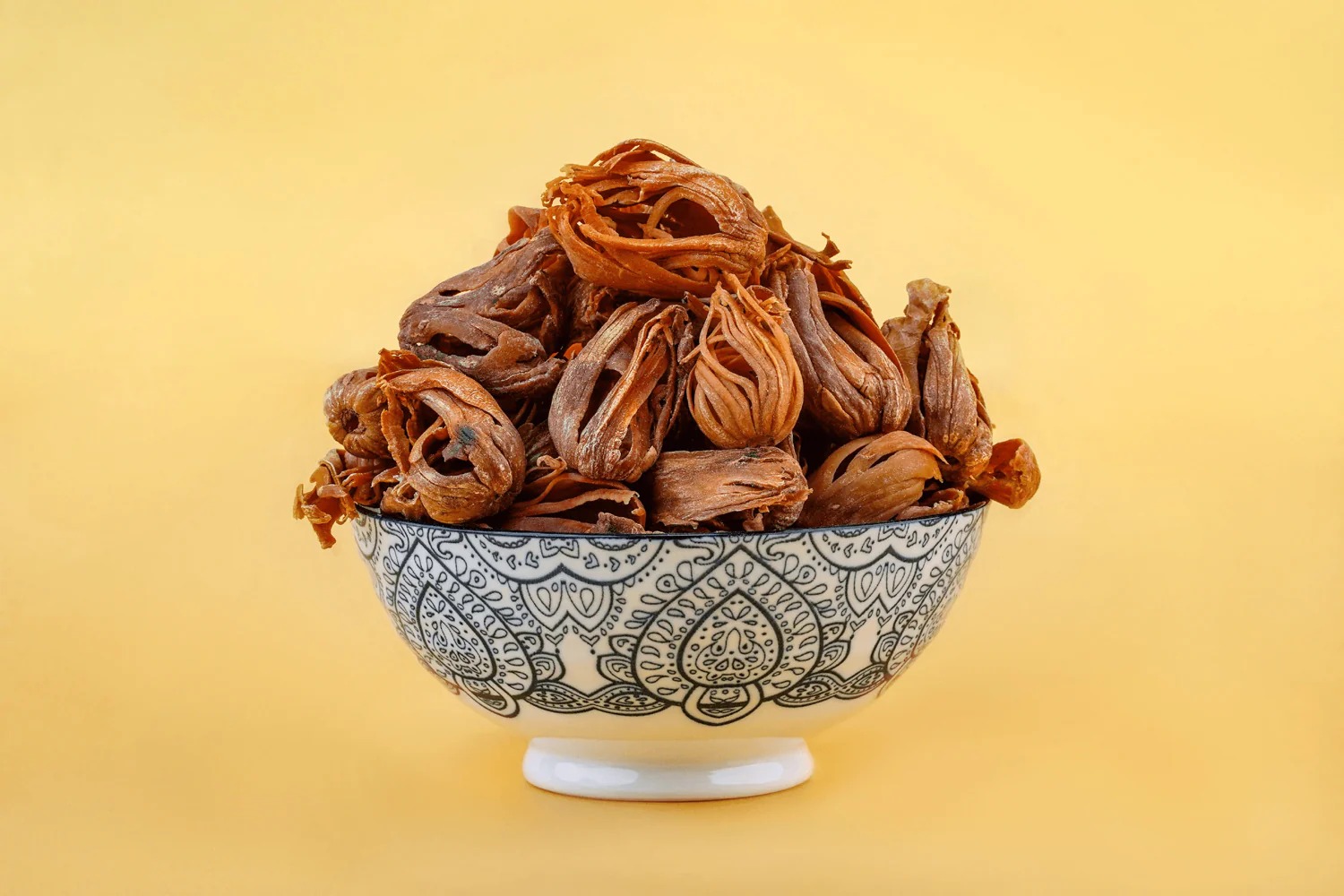
Mace comes from nutmeg and is obtained from the lacy aril that surrounds the nutmeg seed. This aril is carefully removed by hand from the outer shell of the nutmeg and then dried. After drying, it becomes yellowish-brown and is commonly known as mace.
How is Mace processed and sold before extraction for Mace Oil?
Mace is sold either in whole pieces called blades or in ground form, which is more commonly available. The dried aril is the source material used for obtaining the aromatic essence. Its unique structure and natural oils contribute to its characteristic fragrance.
How can the origin of Mace used for Mace Oil be identified by color?
The color of mace blades often indicates their origin. Orange-yellow blades are typically associated with Grenada, while orange-red blades usually originate from Indonesia. These visual characteristics help distinguish different sources of the spice.

What is the flavor and aroma profile of Mace used in Mace Oil?
Mace has a flavor described as a combination of cinnamon and pepper. It is considered a more pungent version of nutmeg and has a warm and spicy fragrance. This aromatic profile makes it valuable in both culinary and fragrance applications.
Can Mace and Nutmeg be substituted when using Mace-derived materials?
Nutmeg can sometimes be substituted for mace and vice versa in certain applications. However, the end result may differ because mace has a stronger and slightly different flavor profile. As with any substitution, the final aroma or taste may be affected.
What botanical source produces Mace used in Mace Oil?
Mace is the dried aril or lacy covering of the nutmeg fruit from the tropical evergreen tree Myristica fragrans. This plant produces the nutmeg seed as well as the surrounding aril known as mace. Both parts are widely used as spices and aromatic materials.
How is Mace traditionally used in culinary applications?
Mace is used to flavor bakery items, meat, and fish dishes. It is also commonly added to sauces and vegetables and used in preserving and pickling. Its warm and slightly sweet aroma enhances many food preparations.
What traditional medicinal uses are associated with Mace?
Mace has been traditionally used for various medicinal purposes. It has been associated with treatments for cancer, kidney disease, and insomnia, and sometimes used as a general tonic. It has also been used to increase menstrual flow and in certain cases as a hallucinogen.
Why Choose BMV Fragrances?

Premium Quality:
100% pure and natural essential oils, resinoids, absolutes, and fragrance oils, ensuring unmatched quality.

Innovation-Driven:
Continuous investment in R&D to stay ahead of trends and deliver innovative solutions.

Global Leadership:
Trusted by top brands worldwide for excellence in fragrance production.

Extensive Range:
A wide variety of essential oils, perfume oils and fragrance oils to meet diverse industry needs.

Strict Quality Control:
Every batch undergoes rigorous checks for consistent, high-quality products.

Competitive Pricing:
Top-tier products at competitive prices for great value.

Source directly from manufacturer.
Call Now!
FAQs on Mace Oil

Copyright @ 2026 | BMV Fragrances Private Limited | All Rights Reserved
Website Design & Digital Marketing by webmasterindia.
Website Updated On: