
Pure & Natural Lavandin Oil (Lavandula Hybrida) Manufacturer, Exporter & Supplier in India
BMV Fragrances is a premier manufacturer and supplier specializing in high-quality Lavandin Oil (Lavandula Hybrida). Known for its strong, fresh aromatic profile and versatile functionality, Lavandin Oil is widely used in perfumery, aromatherapy, soaps, cosmetics, and fragrance blends. With its distinctive floral-herbal character and powerful performance in formulations, BMV Fragrances delivers Lavandin Oil that meets the diverse needs of fragrance and wellness product manufacturers.
BMV Fragrances stands as a symbol of Reliability, Quality, and Excellence in the perfumery & fragrance manufacturing industry.
What is Lavandin Oil and how is Lavandin (Lavandula Hybrida) formed?
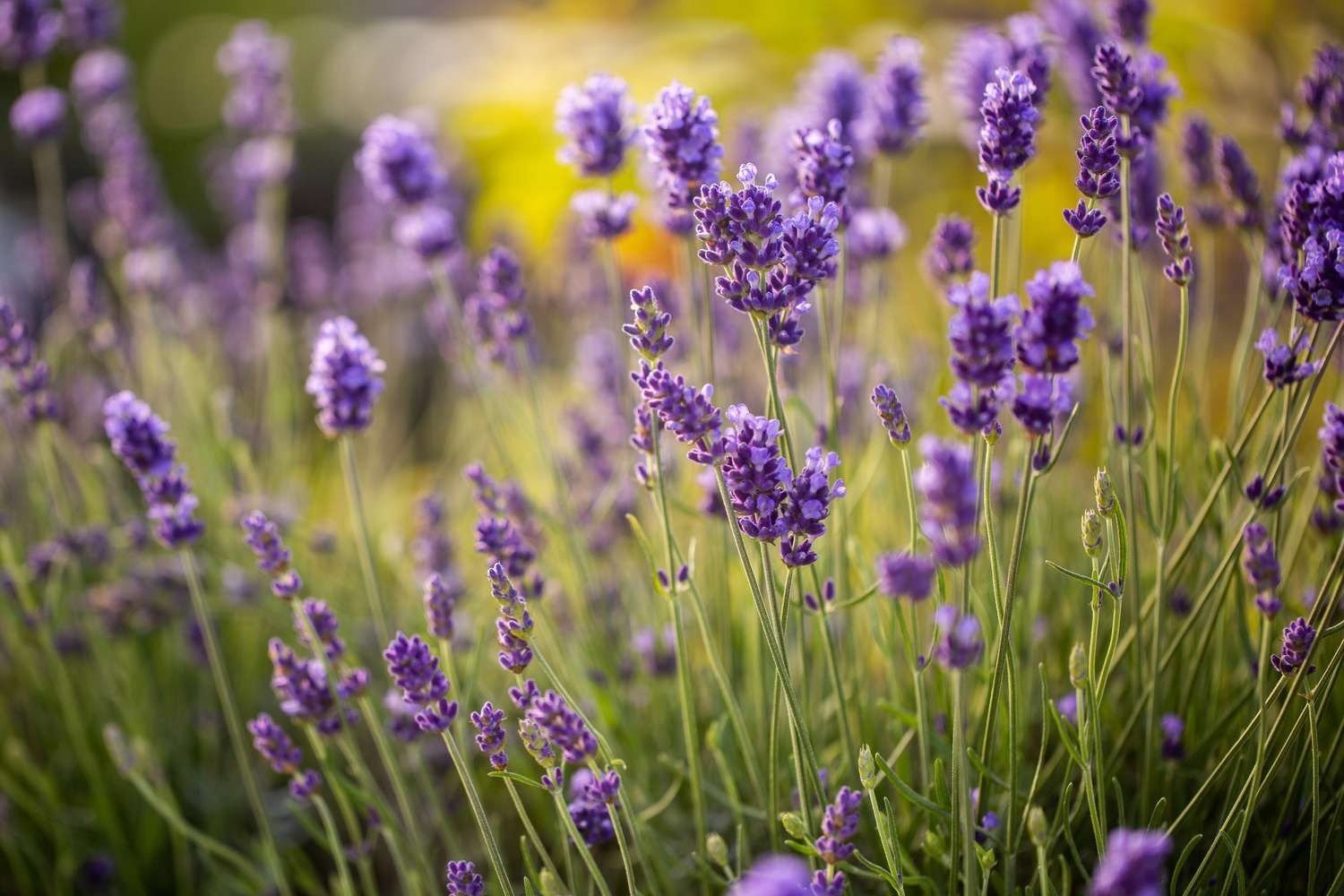
Lavandin (Lavandula x intermedia) is a hybrid created from true lavender (Lavandula angustifolia) and spike lavender (Lavandula latifolia). True lavender typically grows higher in the mountains, while spike lavender grows at lower altitudes. Where the two plants meet, they cross-pollinate naturally, giving rise to the hybrid plant known as lavandin.
What are the botanical characteristics of the Lavandin plant used for Lavandin Oil?
Lavandin is generally a larger plant than true lavender and has woody stems. As a hybrid, its appearance can vary slightly. The flowers range in colour from blue similar to lavender to more greyish shades resembling spike lavender.
Why is Lavandin scientifically known as Lavandula Hybrida or Lavandula Hortensis?
The Lavandin plant is not considered a natural species in the strict sense because it originates from hybridization. It results from the crossing of Lavandula angustifolia and Lavandula latifolia. Due to this hybrid origin, the plant is scientifically referred to as Lavandula Hybrida or Lavandula Hortensis.
How does the aroma of Lavandin Oil compare with Lavender Oil?
The scent of Lavandin is similar to lavender but noticeably stronger and more pungent. It carries a slightly sharper aromatic note and has a more penetrating fragrance profile. Because of this stronger aroma, Lavandin is often used to intensify the lavender scent in fragrance blends.
What are the main aromatic and chemical components present in Lavandin Oil?
Lavandin Oil contains several important compounds that contribute to its aroma and functionality. These include Lavandulol, Linalool, Linalyl Acetate, Camphor, Cineole, Caryophyllene, Camphene, Dipentene, Limonene, Ocimene, and Terpinene. These components influence both the scent profile and therapeutic qualities of the oil.
What are the aromatherapy properties of Lavandin Oil?
Lavandin shares many aromatherapy benefits similar to true lavender but has a stronger and more penetrating action. It is considered beneficial for inflammation, respiratory conditions, and circulatory issues. The oil is also thought to help fight germs and support overall wellness.
How is Lavandin Oil useful for muscles, joints, and respiratory health?
Lavandin Oil can help relieve sore muscles and joint pain while also aiding the clearing of sinuses. It is often used to help reduce symptoms of colds and flu and assist the body in flushing toxins. Additionally, it helps relieve cramps, stiffness, and pain in muscles.
Can Lavandin Oil be used for burn treatment like Lavender Oil?
One benefit that Lavandin does not share with true lavender is its ability to treat burns. Because Lavandin contains higher camphor levels, it may actually worsen burn conditions. For this reason, Lavandin should not be used interchangeably with lavender for burn treatment.

Why is Lavandin Oil commonly used in soap formulations and fragrance blends?
Lavandin is often used in soap blends to intensify the lavender scent and extend its staying power. Its stronger aroma helps reinforce fragrance profiles in formulations. Because of this quality, Lavandin is extremely useful for soap makers and fragrance blenders.
Why is Lavandin Oil considered a widely used essential oil in fragrance manufacturing?
Lavandin oil has a strong similarity to lavender but is typically available at lower prices. This makes it a very important product in fragrance manufacturing. In certain compositions its odour profile is even better suited than lavender.
Why does Lavandin Oil perform well in soap and incense formulations?
Lavandin oil performs effectively in soap and incense formulations due to its higher content of camphor and borneol. These compounds enhance its aromatic strength and stability. As a result, it often provides better fragrance performance in these products.
What are the antiseptic properties of Lavandin Oil?
Lavandin Oil contains compounds that provide antiseptic qualities. These properties help protect wounds from becoming septic or infected. It may also help prevent infections such as tetanus in certain types of wounds, surgical incisions, or caesarian deliveries.
How does Lavandin Oil support mental wellness and emotional balance?
Lavandin Oil is known to boost self-esteem, confidence, hope, and mental strength. It can help combat depression and may be administered to individuals undergoing rehabilitation from acute depression. This makes the oil beneficial for emotional and psychological well-being.
How is Pure Lavandin Oil used in aromatic and wellness products?
Pure Lavandin Oil is used in a wide range of aromatic products including luxury perfumes, personal care products, and household formulations. Its fresh floral-herbal fragrance enhances blends and provides balance in fragrance compositions. The oil is also incorporated into bath oils, massage blends, and natural deodorants.
What makes Pure Lavandin Oil suitable for personal care and therapeutic formulations?
Pure Lavandin Oil possesses antiseptic and calming properties which make it ideal for therapeutic and personal care applications. It provides a refined fragrance while offering wellness benefits. Its long-lasting scent also enhances the effectiveness of aromatic formulations.
What is Lavandin Oil Grosso and why is it widely used?
Lavandin Oil Grosso is one of the most commonly used varieties of lavandin essential oil. It is known for its high yield and strong aromatic profile. Because of its intense camphoraceous scent, it is widely used in perfumes, soaps, scented candles, and cosmetics.
How is Lavandin Oil Grosso used in respiratory and aromatherapy formulations?
Due to its higher camphor content, Lavandin Oil Grosso is particularly useful in respiratory formulations. It helps clear congestion and promotes easier breathing. In aromatherapy, it is valued for relieving stress and encouraging relaxation while maintaining a refreshing effect.
Why Choose BMV Fragrances?

Premium Quality:
100% pure and natural essential oils, resinoids, absolutes, and fragrance oils, ensuring unmatched quality.

Innovation-Driven:
Continuous investment in R&D to stay ahead of trends and deliver innovative solutions.

Global Leadership:
Trusted by top brands worldwide for excellence in fragrance production.

Extensive Range:
A wide variety of essential oils, perfume oils and fragrance oils to meet diverse industry needs.

Strict Quality Control:
Every batch undergoes rigorous checks for consistent, high-quality products.

Competitive Pricing:
Top-tier products at competitive prices for great value.

Source directly from manufacturer.
Call Now!
FAQs on Lavandin Oil Grosso

Copyright @ 2026 | BMV Fragrances Private Limited | All Rights Reserved
Website Design & Digital Marketing by webmasterindia.
Website Updated On: