





Listen to the Audio Version
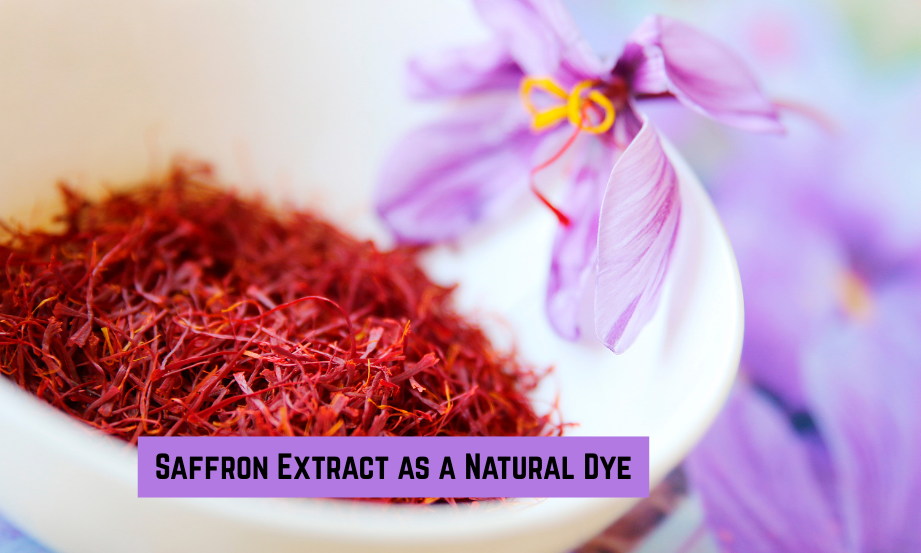
Saffron, derived from the stigma of the Crocus sativus flower, has long been revered not only for its unique flavour and medicinal properties but also for its vibrant and rich colouring capabilities. The rich, golden yellow-orange hue produced by saffron extract has been utilized across various domains, including food, fabric and rituals. In its concentrated form, saffron extract serves as a powerful and natural dye, offering a chemical-free alternative to synthetic colorants.
This article will explore the diverse uses and benefits of saffron extract as a natural dye, focusing on its applications in food, textiles and cultural rituals. Saffron’s historical significance, practical uses and ecological advantages as a natural dye will be discussed, highlighting its continued importance in today’s industries and cultures.
How Is Saffron Extract Used as a Natural Dye in Food?
Saffron extract is widely known for its culinary applications, where its vibrant color and distinct flavour enhance a variety of dishes. Beyond its flavour, saffron extract also acts as a natural dye that can impart a rich, golden-yellow color to foods.
Colouring Food with Saffron Extract
One of the most prominent uses of saffron extract in food is to create visually appealing, brightly coloured dishes. In traditional cuisines from around the world, saffron is used to give dishes such as risottos, biryanis and soups their characteristic golden hue. The natural pigments in saffron, primarily crocin, are responsible for the vibrant yellow-orange color, which has made saffron a sought-after ingredient in the food industry for centuries.
Saffron in Dairy and Desserts
In addition to its use in savoury dishes, saffron extract is also employed in dairy products and desserts. Saffron-infused milk is a traditional drink in many cultures, offering both its color and medicinal benefits. Saffron is used in making ice cream, cakes and pastries, where its distinct yellow hue is both a visual and sensory appeal.
Health and Food Regulations
The use of saffron extract in food is generally recognized as safe by food safety authorities. It is important to note that the extract is used in small quantities in food applications due to its potent color and flavour. Saffron's natural dye properties are also a favorable choice for those seeking chemical-free alternatives to synthetic colorants.

What Role Does Saffron Extract Play in Textiles and Fabrics?
Saffron extract's ability to function as a natural dye in textiles has been known for centuries, with historical records showing its use in regions such as India and China. The dye produced from saffron gives fabrics a brilliant golden color, often used in ceremonial or religious garments.
Historical Significance in Fabric Dyeing
Saffron extract’s use in textiles dates back to ancient civilizations, where it was prized for its ability to impart rich, long-lasting color to cloth. In India, for example, saffron has been used in dyeing silk and cotton for royal garments, with its vibrant hue symbolizing wealth, prosperity and spirituality. Its application was also widespread in Buddhist monks' robes, where the yellow-orange tint was seen as a symbol of purity.
Modern Use of Saffron in Textiles
Today, saffron extract continues to be used in high-end textiles and specialty fabrics. While it is not as common as synthetic dyes due to the high cost of saffron, it is still sought after for luxury garments, high-quality textiles and eco-friendly fabric dyes. Designers and artisans in the fashion industry may use saffron extract for artisanal creations, adding an authentic and natural touch to their designs.
Saffron Dyeing Process
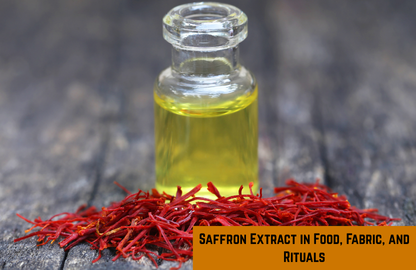
The dyeing process with saffron extract involves boiling the saffron strands in water to release the pigment, which is then applied to the fabric. The fabric must be properly pre-treated and washed to ensure the dye is absorbed effectively, resulting in vibrant, consistent color. Saffron’s natural dye properties are typically more sensitive to light and washing compared to synthetic dyes, which means proper care must be taken to maintain the fabric’s color.
How Is Saffron Extract Used in Rituals and Religious Practices?
Saffron’s vibrant color has long been associated with spirituality and it plays a prominent role in various cultural and religious rituals. In addition to its culinary and textile applications, saffron extract serves as a symbolic and functional dye in several religious ceremonies, particularly in South Asia.
Saffron in Hindu and Buddhist Rituals
In Hinduism, saffron holds immense spiritual significance. The color symbolizes purity, knowledge and sanctity, making it ideal for religious rituals. For instance, saffron is often used to dye sacred threads, garments worn by religious figures and offerings made during prayers. Saffron-infused water is also used in purification ceremonies.
In Buddhism, saffron-colored robes worn by monks represent renunciation and the quest for enlightenment. The use of saffron as a dye in these garments is symbolic, representing the detachment from worldly possessions.
Symbolism of Saffron in Religious Ceremonies
The use of saffron extract in rituals is not limited to its visual appeal. In many cultures, saffron’s golden color is believed to have spiritual and medicinal properties. Its connection to light, fire and the sun makes it a powerful symbol in ceremonies designed to honour gods, celebrate harvests and bring about divine blessings.
What Are the Benefits of Using Saffron Extract as a Natural Dye?
Saffron extract offers numerous benefits as a natural dye, especially in comparison to synthetic dyes, which are often laden with chemicals that may be harmful to health and the environment. Below are key advantages of using saffron extract:
Chemical-Free Alternative
Saffron is a natural product, which means that it does not contain the harmful chemicals often found in synthetic dyes. This makes it a safer option for use in both food and textiles, particularly for individuals with sensitivities to artificial additives and colorants.
Non-Toxic
Unlike synthetic dyes that can leach toxic substances into the environment and potentially into products consumed by humans, saffron extract is non-toxic and safe for use in a variety of applications, including food preparation and garment dyeing.
Eco-Friendly
Saffron, as a natural dye, is biodegradable and does not contribute to environmental pollution in the same way synthetic dyes can. The use of saffron in textiles and food production can help reduce the reliance on harmful, non-biodegradable materials.
Aesthetic Appeal
The vibrant color produced by saffron extract, whether used in food, fabric or religious rituals, is highly valued for its beauty and symbolism. The rich golden-orange color is aesthetically pleasing and has a timeless appeal, particularly in ceremonial and cultural contexts.

Conclusion
Saffron extract, with its rich colouring properties and cultural significance, has maintained its value as a natural dye for centuries. From its use in food to its importance in textiles and religious rituals, saffron extract continues to be a versatile and sought-after resource. Its natural origins, aesthetic qualities and symbolic significance make it a preferred choice in many industries, especially for those seeking an eco-friendly, chemical-free alternative to synthetic dyes.
In the modern world, where there is a growing desire for natural and sustainable solutions, saffron extract’s applications as a dye will continue to play an important role. As both a natural dye and a cultural artifact, saffron extract offers enduring benefits, combining practicality, beauty and tradition.
Recent Posts
- Amyris Oil Applications: Versatile Uses Across Various Industries
- The Role of Amyris Oil in the Fast-Growing Wellness Sector: Top 10 Countries Leading the Demand
- Geranium Egyptian Oil Biofunctional Properties: A Valuable Ingredient in Cosmetics, Fragrances, and Wellness
- Vetiver Oil: From Chemical Composition to Global Market Influence
- Agarwood (Oudh) : The Global Market for 'Liquid Gold' - An Industry Worth Billions
- The History and Origins of Balsam Peru
- Asia's Influence on the Global Sandalwood Oil Market
Copyright @ 2025 | BMV Fragrances Private Limited | All Rights Reserved
Website Design & Digital Marketing by webmasterindia.
Website Updated On: