
Oakmoss Manufacturer, Supplier & Exporter
BMV Fragrances is a premier manufacturer and supplier specializing in high-quality Oakmoss, serving the perfumery and fragrance industries. With state-of-the-art facilities for reconstitutions and natural extractions, we ensure purity and consistency in every product. Our competitive pricing allows businesses to access premium products without compromising on quality. Backed by a robust global distribution network, we deliver quickly and reliably. Our extensive product range reflects our ongoing commitment to research, innovation, and customer satisfaction, which remains our top priority. Trusted by industries worldwide, BMV has built a strong reputation over decades.
BMV Fragrances stands as a symbol of Reliability, Quality, and Excellence in the perfumery & fragrance manufacturing industry.
What is Oakmoss and what is its botanical origin?
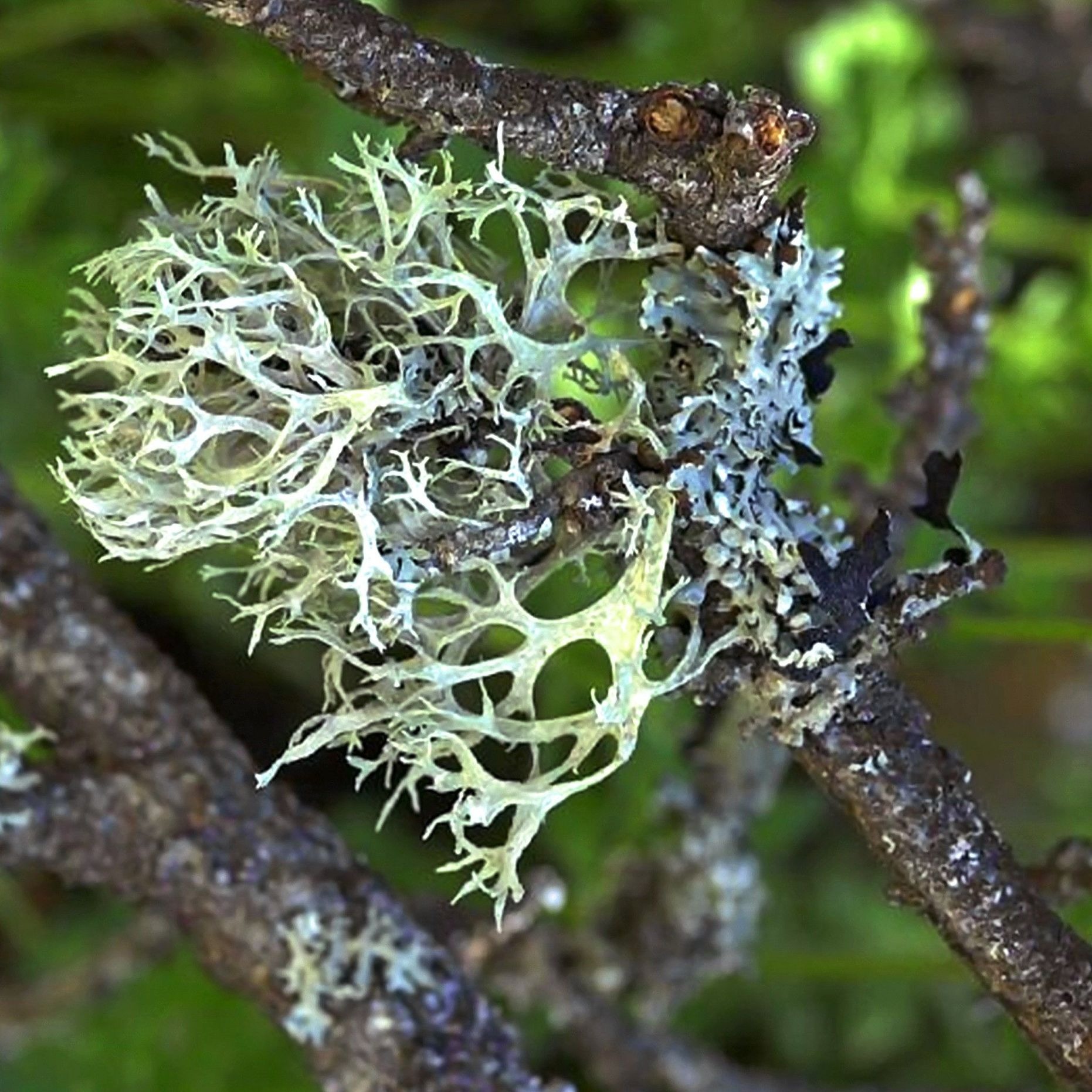
Oakmoss (Evernia prunastri) is a species of lichen found in temperate forests throughout the Northern Hemisphere, primarily growing on oak trees but also on other deciduous trees and conifers like fir and pine.
Where is Oakmoss found in the world?
Oakmoss can be found in many mountainous temperate forests in parts of France, Portugal, Spain, North America, and much of Central Europe.
What is the physical appearance of Oakmoss?
Oakmoss thalli are short (3-4 cm in length), bushy, flat, strap-like, and highly branched, resembling the form of deer antlers. The color ranges from green to greenish-white when dry and dark olive-green to yellow-green when wet.
How does the texture of Oakmoss change with moisture?
Oakmoss thalli are rough when dry and become rubbery when wet.
How is Oakmoss used in modern perfumery?
Oakmoss is used extensively in modern perfumery as a fixative and base note, particularly in Fougère and Chypre perfumes, adding a rich, earthy, and forest-like aroma to fragrance compositions.
Where is Oakmoss harvested and processed?
Oakmoss is commercially harvested in South-Central Europe and exported to Grasse, France, where its fragrant compounds are extracted as Oakmoss absolutes and extracts.
What type of scent does Oakmoss have?
Oakmoss has a distinct, complex odor that can be described as woody, sharp, and slightly sweet, with certain types, like those growing on pine trees, having a turpentine-like odor.
How is Oakmoss essential oil extracted?
Oakmoss essential oil is typically obtained through solvent extraction or vacuum distillation. Solvent-extracted Oakmoss oil is dark green or brown and has a strong, earthy-mossy scent with a slight leather undertone.
What is the role of Oakmoss in fragrance formulations?
Oakmoss is often used as a fixative in fragrances, improving the longevity of compositions and contributing to the depth and complexity of the fragrance, particularly in oriental, chypre, and fougère perfumes.

Inquire for Your Company's Wholesale Requirements.
Inquire NowHow does Oakmoss blend with other fragrance ingredients?
Oakmoss blends well with floral, green, and woody notes, adding a sensual, forest-like aroma that enhances the overall fragrance composition.
What is the significance of Oakmoss in Fougère perfumes?
Oakmoss is a key ingredient in Fougère perfumes, a popular fragrance family for men, where it contributes to the scent's distinctive forest-like, earthy base.
Why is Oakmoss considered irreplaceable in perfumery?
Oakmoss is irreplaceable in its ability to provide a natural, long-lasting, and complex forest note that no synthetic substitute can fully replicate.
What is the importance of Oakmoss in perfume longevity?
Oakmoss is one of the most tenacious natural ingredients in perfumery, with its scent able to last up to a year on a blotter, making it invaluable in creating long-lasting fragrance bases.
How does Oakmoss help balance chemical-heavy fragrance accords?
Oakmoss helps smooth rough edges in chemical-heavy accords, lending a natural, balanced scent that enhances the overall fragrance.
What are the main types of Oakmoss oil available in perfumery?
Oakmoss oil is typically available in different grades based on distillation, including grades from solvent-extracted oils to those obtained through vacuum distillation.
How does Oakmoss contribute to Amber fragrance bases?
Oakmoss is invaluable in Amber bases, providing depth and a natural, earthy character that enriches the fragrance.
Why Choose BMV Fragrances?

Premium Quality:
100% pure and natural essential oils, resinoids, absolutes, and fragrance oils, ensuring unmatched quality.

Innovation-Driven:
Continuous investment in R&D to stay ahead of trends and deliver innovative solutions.

Global Leadership:
Trusted by top brands worldwide for excellence in fragrance production.

Extensive Range:
A wide variety of essential oils, perfume oils and fragrance oils to meet diverse industry needs.

Strict Quality Control:
Every batch undergoes rigorous checks for consistent, high-quality products.

Competitive Pricing:
Top-tier products at competitive prices for great value.
Source directly from manufacturer.
Call Now!
FAQs

Copyright @ 2026 | BMV Fragrances Private Limited | All Rights Reserved
Website Design & Digital Marketing by webmasterindia.
Website Updated On: