
Mimosa Reconstitution Manufacturer & Supplier
BMV Fragrances is a leading manufacturer and supplier of superior quality Mimosa Reconstitution widely used in perfumery, and fragrance industries. With world-class infrastructure for reconstitutions and natural extractions, BMV delivers consistency and purity in every product. Competitive pricing ensures affordability without compromising on quality. A robust distribution network enables quick and reliable delivery worldwide. The company’s diverse product portfolio reflects our commitment to continuous research and innovation. Customer satisfaction is always the highest priority. With decades of experience, BMV Fragrances has earned trust across industries.
BMV Fragrances stands as a symbol of Reliability, Quality, and Excellence in the perfumery & fragrance manufacturing industry.
What is Mimosa and which plant family does it belong to?
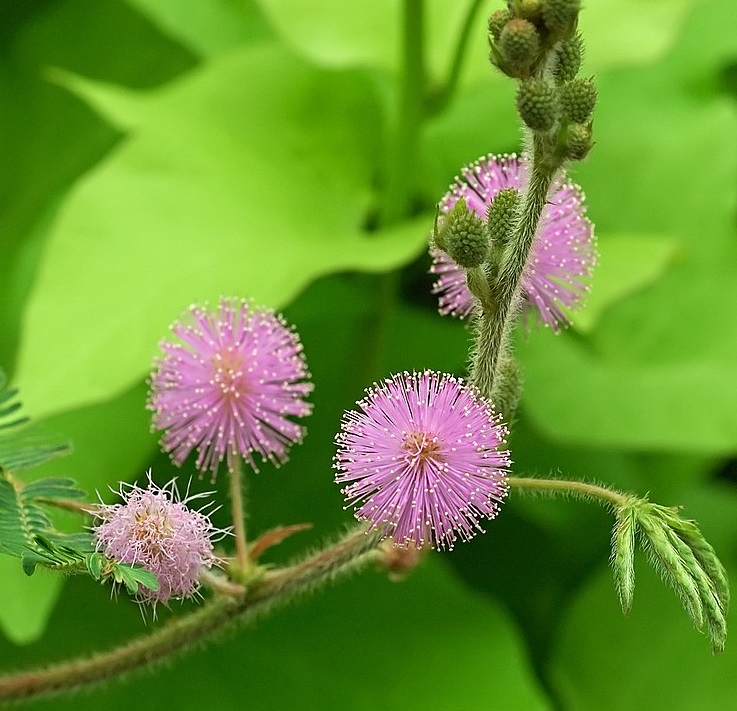
Mimosa is a genus of about 400 species of herbs and shrubs belonging to the subfamily Mimosoideae within the Fabaceae family. The name originates from the Greek word meaning “mimic,” referring to its responsive leaf movements.
Which Mimosa species are especially well known?
Two notable species are Mimosa pudica, known for its touch-sensitive leaves, and Mimosa tenuiflora, recognized for traditional ceremonial uses due to compounds found in its root bark.
Why is Mimosa pudica called the “curiosity plant”?
Its leaves fold quickly when touched or exposed to changes in temperature and also follow a day-night rhythm, making it one of the few plants capable of rapid movement.
How do Mimosa plants differ from related genera like Acacia or Albizia?
Mimosa flowers typically contain ten or fewer stamens and appear as clusters of tiny blooms rather than single flowers, distinguishing them from closely related species.

What traditional medicinal uses are associated with Mimosa pudica?
Historically, the plant has been used for wound care, urogenital disorders, dysentery, sinus conditions, and various herbal remedies due to its antibacterial and pharmacological properties.
What makes Mimosa biologically unique among plants?
The plant demonstrates seismonastic leaf movement controlled by specialized motor organs known as pulvini, which respond to environmental stimuli and internal biological rhythms.
How has the taxonomy of Mimosa evolved over time?
The classification of Mimosa has changed frequently, accumulating thousands of names as species were split or reassigned into different genera.
What is the aromatic role of Mimosa in perfumery?
Mimosa is valued as a floral absolute capable of adding depth and elegance to fragrance accords, although excessive use can overpower the composition.
Where is Mimosa naturally found and cultivated?
Mimosa species originate mainly from Central and South America but are cultivated worldwide in tropical climates and sometimes grown indoors as ornamental plants.
Why Choose BMV Fragrances?

Premium Quality:
100% pure and natural essential oils, resinoids, absolutes, and fragrance oils, ensuring unmatched quality.

Innovation-Driven:
Continuous investment in R&D to stay ahead of trends and deliver innovative solutions.

Global Leadership:
Trusted by top brands worldwide for excellence in fragrance production.

Extensive Range:
A wide variety of essential oils, perfume oils and fragrance oils to meet diverse industry needs.

Strict Quality Control:
Every batch undergoes rigorous checks for consistent, high-quality products.

Competitive Pricing:
Top-tier products at competitive prices for great value.

Source directly from manufacturer.
Call Now!
Mimosa Reconstitution FAQs

Copyright @ 2026 | BMV Fragrances Private Limited | All Rights Reserved
Website Design & Digital Marketing by webmasterindia.
Website Updated On: