
Jasmine Perfumery Base Manufacturer and Supplier
BMV Fragrances stands as a trusted manufacturer and supplier of premium Jasmine Perfumery Base, all essential to the perfumery and fragrance sectors. Our cutting-edge infrastructure guarantees the highest standards in reconstitutions and natural extractions, delivering unmatched quality with every product. Competitive pricing ensures our products remain affordable, while our expansive distribution network offers fast, reliable worldwide delivery. Innovation and customer satisfaction drive our company, reflected in our diverse product offerings. With years of expertise, BMV Fragrances is a name trusted across the global market.
BMV Fragrances stands as a symbol of Reliability, Quality, and Excellence in the perfumery & fragrance manufacturing industry.
What is Jasmine Perfumery Base and where does it come from?
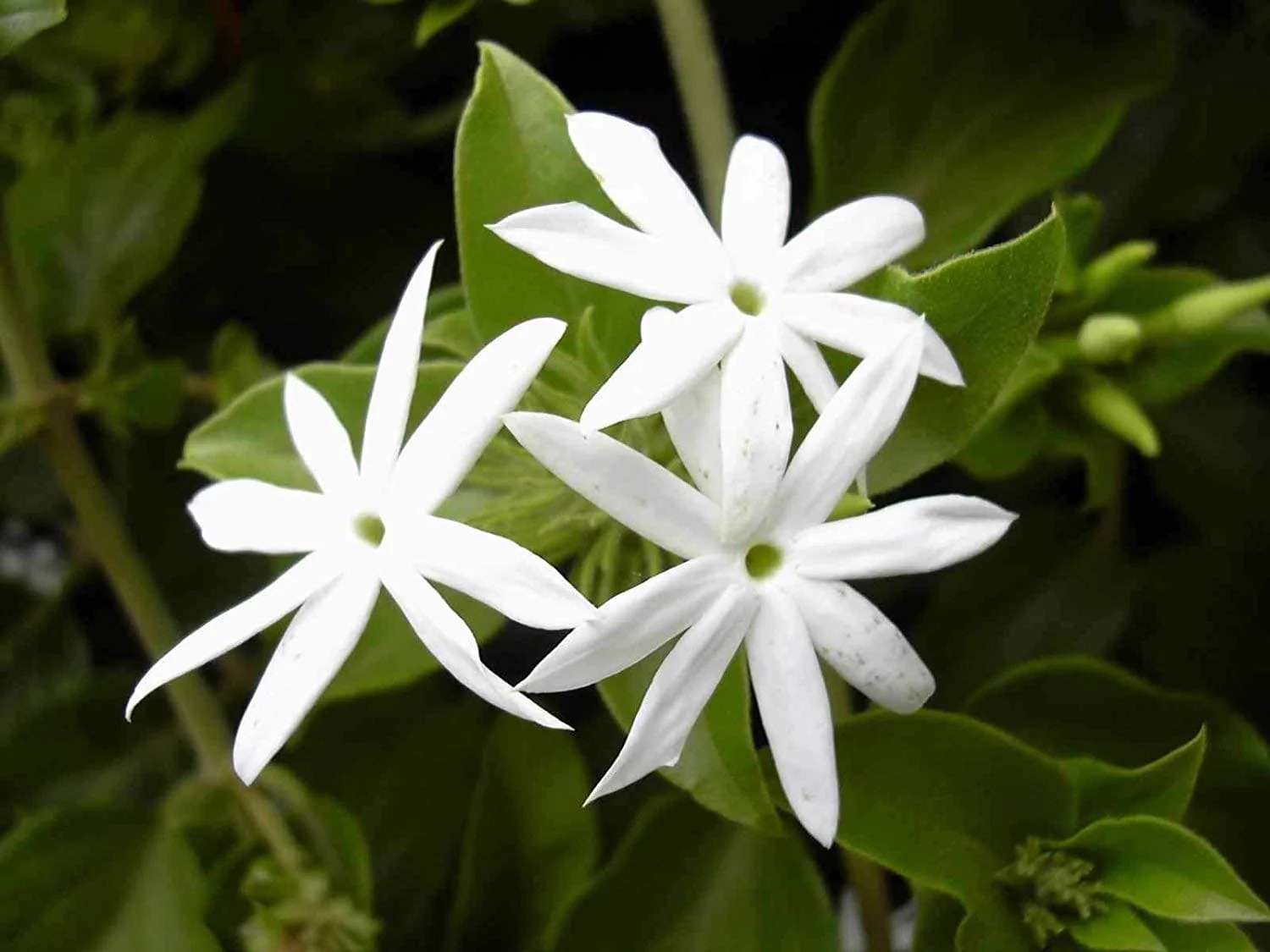
Jasmine Perfumery Base is derived from the flowers of the Jasminum genus, particularly from species such as Jasminum grandiflorum and Jasminum sambac. These fragrant flowers are native to tropical and subtropical regions of Asia, Africa, and Australia, and are cultivated for their essential oil, which is a key ingredient in perfumes.
What makes Jasmine a significant ingredient in perfumes?
Jasmine is one of the most important floral ingredients in perfumery due to its rich, complex, and heady fragrance. It has been used for centuries to add depth, warmth, and sensuality to perfumes, making it a staple in both classic and modern fragrance compositions.
How is Jasmine oil extracted for use in perfumes?
Jasmine oil is typically extracted through solvent extraction or enfleurage, methods that preserve the delicate fragrance of the flowers. These methods allow the oil to capture the full range of Jasmine’s aromatic profile, which is essential for high-quality perfume production.
What are the characteristics of Jasmine Perfumery Base?
Jasmine Perfumery Base has a sweet, floral fragrance with a slightly spicy, honeyed undertone. Its complex aroma makes it a highly valued base note in perfume formulations, adding depth and sensuality to fragrances.

How does Jasmine Perfumery Base enhance the quality of perfumes?
Jasmine Perfumery Base enhances the quality of perfumes by providing a luxurious floral undertone. It stabilizes and enhances the longevity of other volatile top and middle notes in fragrance compositions, making the overall scent more enduring and harmonious.
What types of perfumes benefit most from Jasmine Perfumery Base?
Jasmine Perfumery Base is widely used in oriental, floral, and chypre perfumes. It is also used in high-class colognes and luxury fragrance compositions, where its warm and sensual fragrance adds complexity and elegance.
What is the role of Jasmine Perfumery Base as a fixative?
Jasmine Perfumery Base acts as a natural fixative in perfumes, helping to prolong the fragrance’s longevity. It enhances the performance of other notes and stabilizes the perfume’s overall scent profile, allowing it to last longer on the skin.
How does Jasmine blend with other ingredients in perfumes?
Jasmine blends beautifully with other floral notes like rose and tuberose, as well as woody and spicy ingredients like sandalwood and patchouli. It harmonizes with both sweet and musky notes, making it a versatile component in fragrance creation.
Why is Jasmine so expensive in the perfume industry?
Jasmine is expensive because of the labor-intensive harvesting process. Thousands of flowers are needed to produce even a small quantity of Jasmine oil, making it one of the most costly floral ingredients in perfumery.
What makes Jasmine Perfumery Base different from other floral bases?
Jasmine Perfumery Base is distinct due to its rich, complex fragrance that combines sweet, floral, and slightly spicy elements. Unlike other floral bases, Jasmine offers both depth and freshness, making it a highly versatile and sought-after ingredient in high-end perfumes.
How is Jasmine used in other industries besides perfumery?
Besides its use in perfumes, Jasmine is also used in aromatherapy for its calming effects. Its essential oil is used in skin care products for its soothing properties and in traditional medicine for its purported therapeutic benefits.
Why Choose BMV Fragrances?

Premium Quality:
100% pure and natural essential oils, resinoids, absolutes, and fragrance oils, ensuring unmatched quality.

Innovation-Driven:
Continuous investment in R&D to stay ahead of trends and deliver innovative solutions.

Global Leadership:
Trusted by top brands worldwide for excellence in fragrance production.

Extensive Range:
A wide variety of essential oils, perfume oils and fragrance oils to meet diverse industry needs.

Strict Quality Control:
Every batch undergoes rigorous checks for consistent, high-quality products.

Competitive Pricing:
Top-tier products at competitive prices for great value.

Source directly from manufacturer.
Call Now!

Jasmine Perfumery Base FAQs

Copyright @ 2026 | BMV Fragrances Private Limited | All Rights Reserved
Website Design & Digital Marketing by webmasterindia.
Website Updated On: