
Guaiacwood Reconstitution Available at Wholesale Price
As a leading manufacturer in the fragrance industry, BMV Fragrances offers a range of top-quality Guaiacwood Reconstitution. Our world-class reconstitution and extraction infrastructure ensures unmatched product consistency and purity. We deliver value through competitive pricing without sacrificing quality. Thanks to a vast distribution network, our products reach clients worldwide swiftly and reliably. With a focus on continuous research and development, we provide innovative solutions to meet evolving industry demands. Customer satisfaction is at the core of everything we do, and with decades of experience, we’ve earned the trust of our global clientele.
BMV Fragrances stands as a symbol of Reliability, Quality, and Excellence in the perfumery & fragrance manufacturing industry.
What is the botanical source of Guaiacwood and the common errors in its naming?
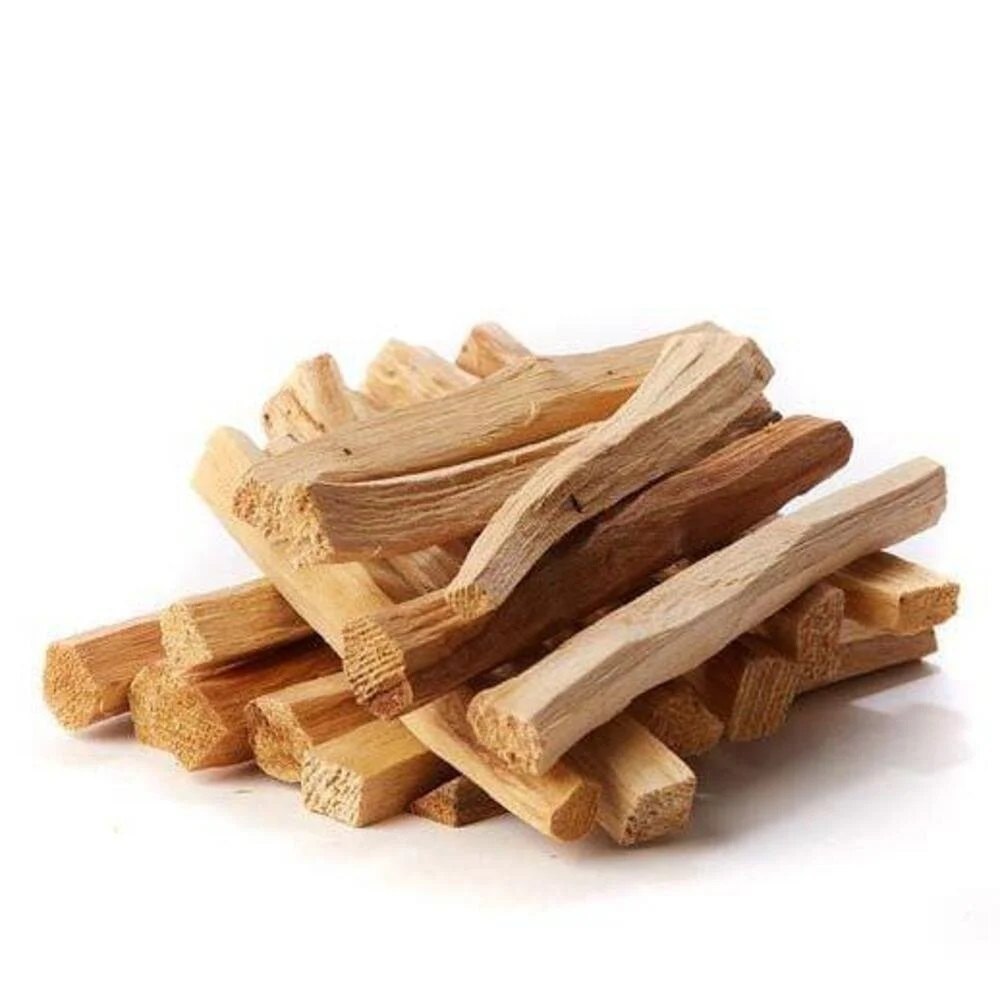
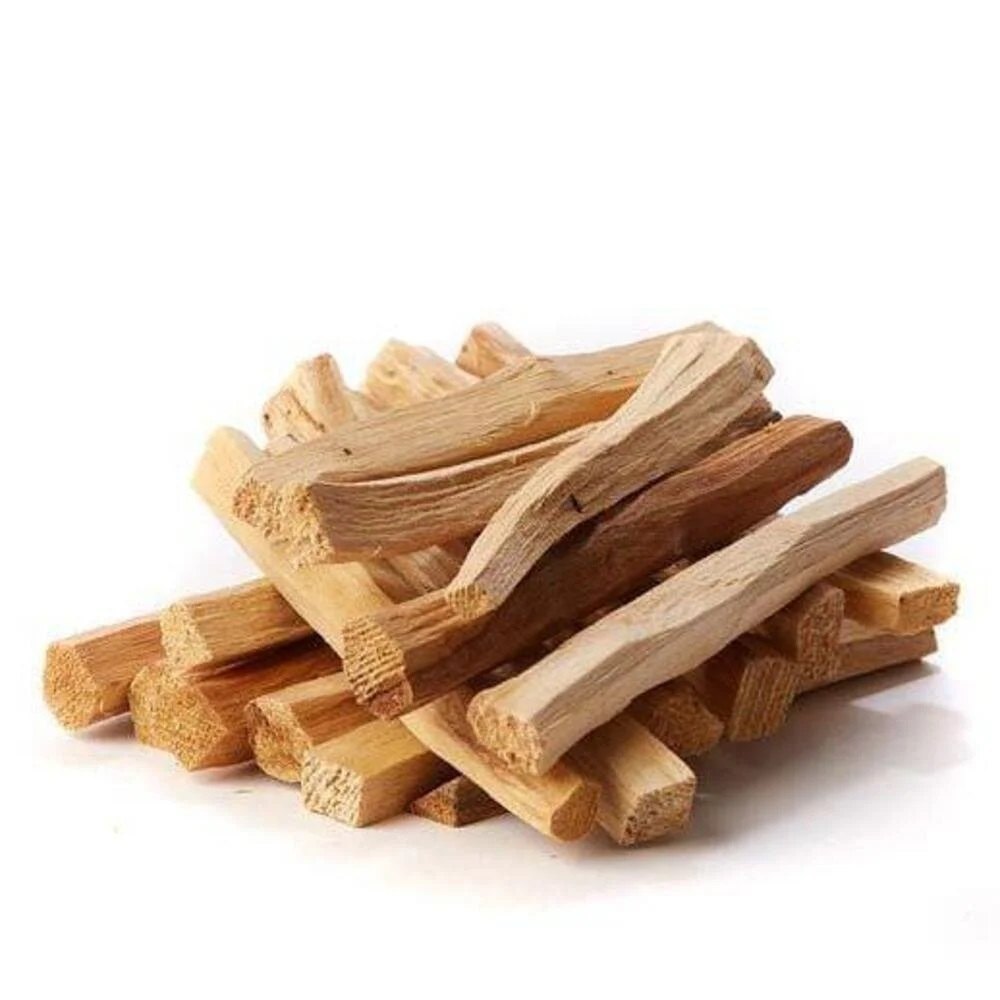
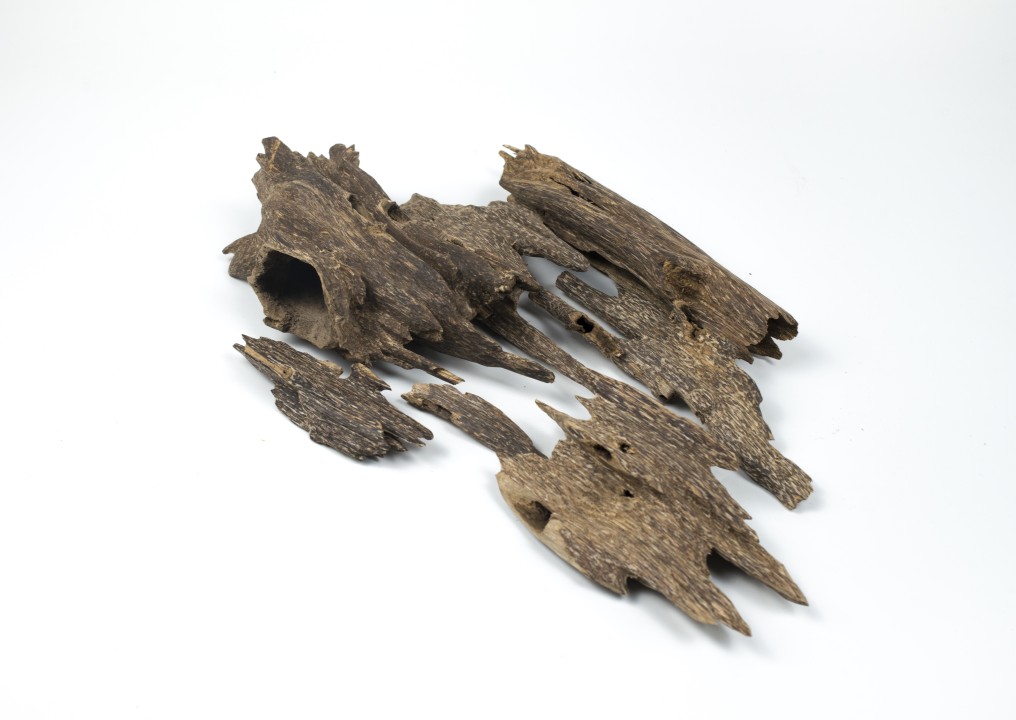
Erroneously called guaiacwood concrete, this oil is derived from the wood of Bulnesia Sarmienti, a wild-growing tree from the jungles of Paraguay and Argentina.
What distillation methods are used to produce Guaiacwood Reconstitution?
The oil is steam distilled, and occasionally steam-and-water distilled, from the wood of the tree.
What are the physical characteristics and typical color of Guaiacwood?
It is a soft or semi-solid mass, yellowish to greenish-yellow or pale amber in color. When melted, it may stay supercooled and liquid for a long time.
How is the aromatic profile of Guaiacwood Oil described in comparison to literature?
Guaiacwood oil presents a delicately sweet, rosy-woody odor which is often referred to as “tearose-like.” However, it frequently presents odor types not reported in literature.

What causes the unwanted "smoked ham" odor sometimes found in Guaiacwood Reconstitution?
This odor may occur in oils which have been “forced” during distillation through the addition of mineral acid (sulfuric, etc.) to the chopped, wet wood in the still, which increases yield but creates a hazard of spot-burning.
What role does the age of the raw material play in the scent of Guaiacwood?
Similar to amyris, the age of the wood prior to distillation has some influence upon the odor of the oil.
What is the primary chemical constituent of Guaiacwood Reconstitution and its derivatives?
The main constituent is called Guaiol. This sesquiterpene alcohol can be acetylated to the so-called Guaiyl Acetate.
Which aromatic compounds and oils blend effectively with Guaiacwood Reconstitution?
It blends well with linalool, nerol, geraniol, terpineol, oak moss, ionones, orris products, spice oils, and others.
Why Choose BMV Fragrances?

Premium Quality:
100% pure and natural essential oils, resinoids, absolutes, and fragrance oils, ensuring unmatched quality.

Innovation-Driven:
Continuous investment in R&D to stay ahead of trends and deliver innovative solutions.

Global Leadership:
Trusted by top brands worldwide for excellence in fragrance production.

Extensive Range:
A wide variety of essential oils, perfume oils and fragrance oils to meet diverse industry needs.

Strict Quality Control:
Every batch undergoes rigorous checks for consistent, high-quality products.

Competitive Pricing:
Top-tier products at competitive prices for great value.

Source directly from manufacturer.
Call Now!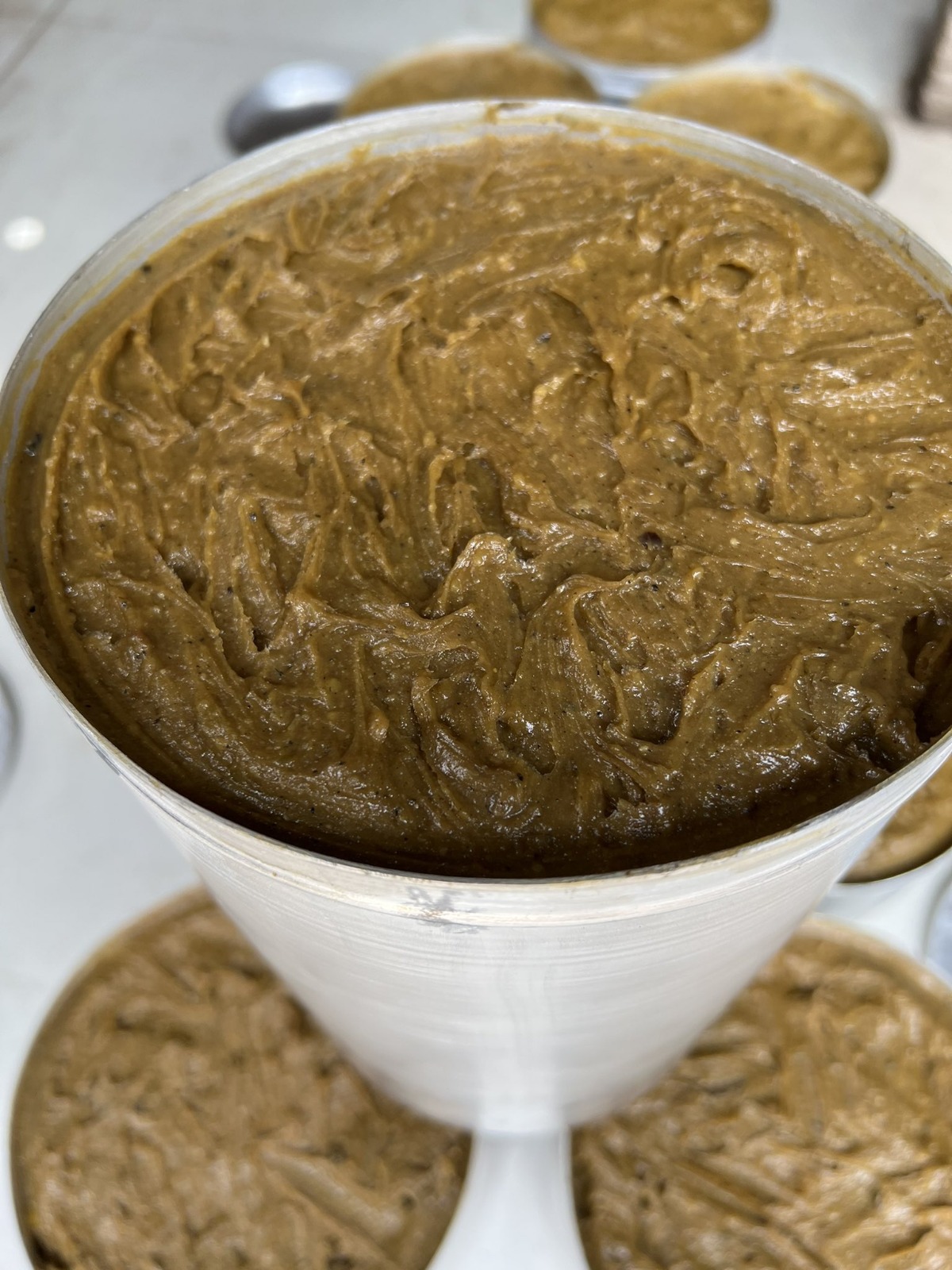
Guaiacwood Reconstitution FAQs

Copyright @ 2026 | BMV Fragrances Private Limited | All Rights Reserved
Website Design & Digital Marketing by webmasterindia.
Website Updated On: