
Civet Reconstitution Manufacturing and Supplying Company
BMV Fragrances excels in manufacturing and supplying high-grade Civet Reconstitution, widely used in the fragrance and perfumery industries. Our top-tier infrastructure supports meticulous reconstitution and natural extraction processes, ensuring each product maintains the highest level of purity and consistency. We offer competitive pricing, delivering excellent value while maintaining superior quality. Our comprehensive global distribution network ensures reliable, timely delivery worldwide. With a commitment to research and continuous innovation, we are dedicated to exceeding customer expectations, earning the trust of industries worldwide for decades.
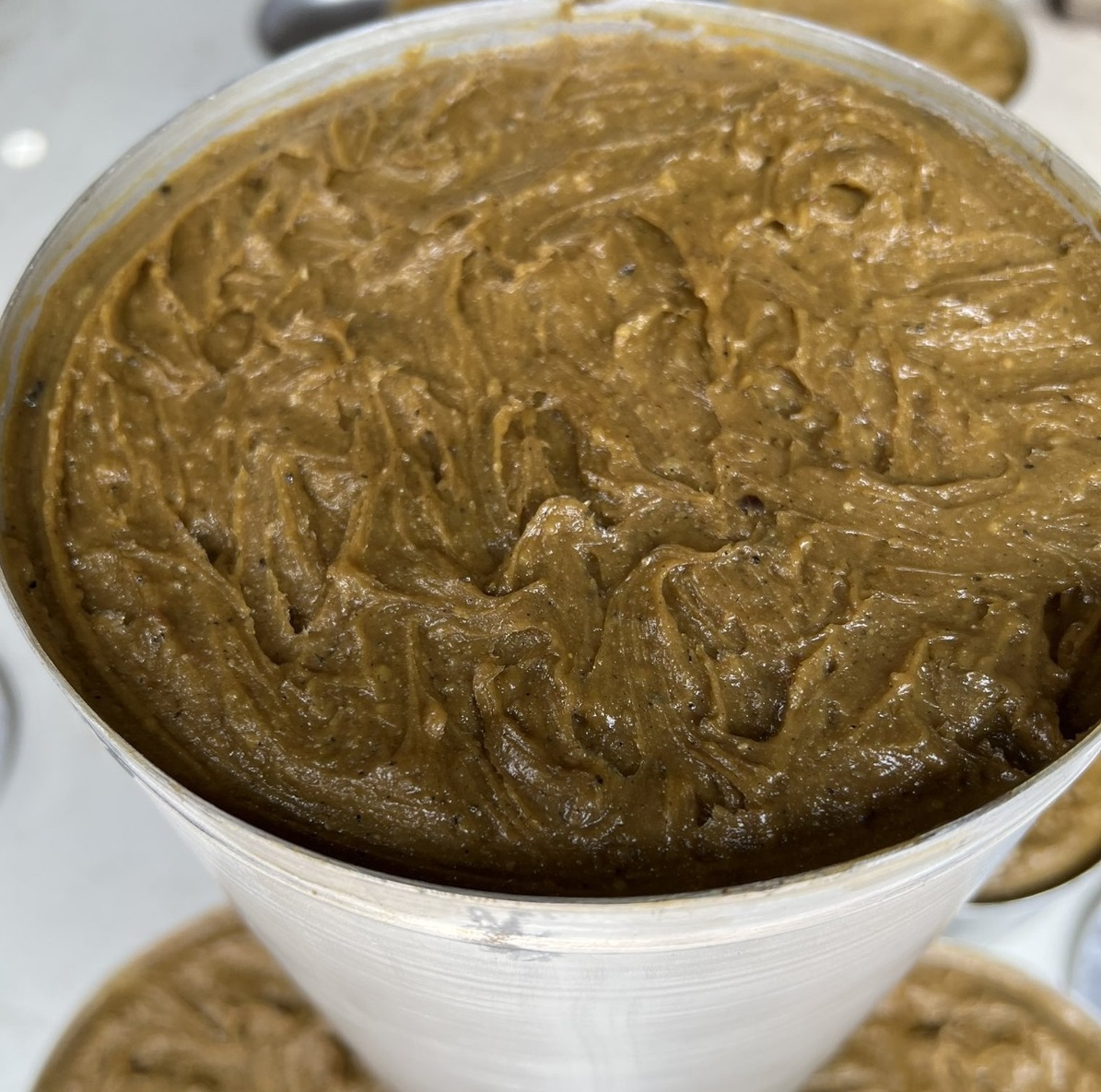
BMV Fragrances stands as a symbol of Reliability, Quality, and Excellence in the perfumery & fragrance manufacturing industry.
What is a Civet and where is it found?
A civet is a small, lithe-bodied, mostly nocturnal mammal native to tropical Asia and Africa, particularly in tropical forests. Civet applies to over a dozen different mammal species, with the greatest diversity found in Southeast Asia. The African Civet (Civettictis civetta) is the best-known species, historically the primary source of musky scent used in perfumery.
What does the term 'civet' refer to?
The term civet refers both to the animal itself and to the distinctive musky scent produced by these animals. Civets belong to the Viverridae family, and the African Palm Civet (Nandinia binotata) is genetically distinct, belonging to its own monotypic family, Nandiniidae.
What are some other names for Civets, and why might there be confusion?
Civets are also called "toddycats" in English and "musang" in Malay. The term "musang" may cause confusion, as it has been appropriated to refer to foxes in popular culture, which are not native to this geographical region.

How do Civets produce their musky scent and how is it used?
Civets produce a strong-smelling secretion from their perineal glands, which is highly valued in perfumery as a fragrance and stabilizing agent. Both male and female civets produce this secretion, which is then harvested.
How is Civet oil harvested, and what are the ethical concerns?
Civet oil can be harvested by either killing the animal and removing the glands or by scraping the secretions from a live animal’s glands. The latter method is preferred today due to ethical concerns raised by animal rights groups.
Where do African and Indian Civets live?
The African Civet lives in savannahs and forests of South and Central Africa, while the Indian Civet is found in Nepal, Bangladesh, and Vietnam.
Why do Civets produce their musky secretion?
Civets produce their musky secretion to mark their territory. The initially strong and repulsive odor becomes more pleasant and musky once diluted, providing an animalistic nuance.
How is Civet oil used in modern times?
While the scent of civet oil used to be harvested directly from the animals, the practice is now largely replaced by synthetic civetone due to ethical reasons. Civet synethic oil replicates the musky aroma used in perfumery.
What are Civet Crystals, and how are they used?
Civet Crystals are a hard, strong, fecal musky note used for burning and in soap applications. These crystals contribute to a unique fragrance element in specific applications.

What is the significance of the Asian Palm Civet (Toddycat) in Civet oil production?
The Asian Palm Civet, also called the toddycat, is a small member of the Viverridae family native to South and Southeast Asia. In 2008, the IUCN classified this species as Least Concern due to its tolerance of a broad range of habitats. Synthetic civetone is now used in place of natural civet oil to address ethical concerns.
What products are produced by BMV Fragrances related to Civet oil?
BMV Fragrances manufactures Civet NNA or Zibetha, which enhances sensuality and provides velvety smoothness at a 0.1% level. These products should be diluted to 10%, and their full strength is evident once incorporated into fragrance blends. BMV also produces Civet Crystals, which are used in burning and soap applications.
Why Choose BMV Fragrances?

Premium Quality:
100% pure and natural essential oils, resinoids, absolutes, and fragrance oils, ensuring unmatched quality.

Innovation-Driven:
Continuous investment in R&D to stay ahead of trends and deliver innovative solutions.

Global Leadership:
Trusted by top brands worldwide for excellence in fragrance production.

Extensive Range:
A wide variety of essential oils, perfume oils and fragrance oils to meet diverse industry needs.

Strict Quality Control:
Every batch undergoes rigorous checks for consistent, high-quality products.

Competitive Pricing:
Top-tier products at competitive prices for great value.

Source directly from manufacturer.
Call Now!


Civet Reconstitution FAQs

Copyright @ 2026 | BMV Fragrances Private Limited | All Rights Reserved
Website Design & Digital Marketing by webmasterindia.
Website Updated On: