
Cinnamon Reconstitution Supplier and Exporter
As a leading manufacturer in the fragrance industry, BMV Fragrances offers a range of top-quality Cinnamon Reconstitution. Our world-class reconstitution and extraction infrastructure ensures unmatched product consistency and purity. We deliver value through competitive pricing without sacrificing quality. Thanks to a vast distribution network, our products reach clients worldwide swiftly and reliably. With a focus on continuous research and development, we provide innovative solutions to meet evolving industry demands. Customer satisfaction is at the core of everything we do, and with decades of experience, we’ve earned the trust of our global clientele.
BMV Fragrances stands as a symbol of Reliability, Quality, and Excellence in the perfumery & fragrance manufacturing industry.
What is Cinnamon and how is it related to the genus Cinnamomum?
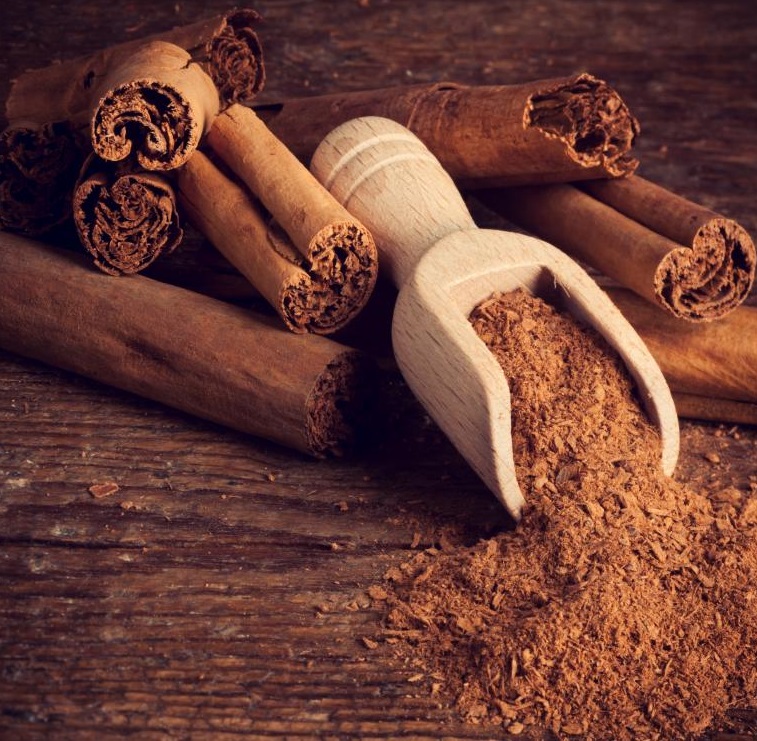
Cinnamon is a spice obtained from the inner bark of several trees from the genus Cinnamomum. It is used in both sweet and savory foods. While Cinnamomum verum is often called "true cinnamon," other species are referred to as "cassia."
What does the word "Cinnamon" originate from?
The name "Cinnamon" comes from the Greek kinnamomon, which may have been derived from Phoenician.
What are the primary species of cinnamon?
Cinnamon includes several species of trees in the Cinnamomum genus. Cinnamomum verum is considered the "true cinnamon," while others are generally referred to as cassia.
Where is Cinnamon cultivated and where is the largest production?
Cinnamon is widely cultivated, with significant production in Sri Lanka, Indonesia, and India, but Guatemala is the largest producer and exporter globally.

How is Cinnamon bark processed for use?
The branches are harvested by scraping off the outer bark. The inner bark is then pried out in long rolls and left to dry, curling into quills.
How is Cinnamon bark dried?
After processing, the bark is dried in four to six hours, ensuring a well-ventilated and warm environment to maintain quality.
What is the yield of Cinnamon Essential Oil from the bark?
The essential oil is extracted from the bark, which constitutes about 0.5% to 1% of its composition.
How is Cinnamon Essential Oil extracted?
Cinnamon Essential Oil is extracted through a process where the bark is pounded, macerated in seawater, and distilled.
What chemical components make up Cinnamon Essential Oil?
The main chemical compound in Cinnamon oil is cinnamaldehyde (about 90%). Other components include ethyl cinnamate, eugenol, beta-caryophyllene, and linalool.

How does the scent and color of Cinnamon Essential Oil change as it ages?
As it ages, the oil darkens in color and forms resinous compounds, which intensify its aromatic profile.
What is the main use of Cinnamon in the flavor industry?
Cinnamon is widely used in the flavor industry, particularly in baked goods, confectioneries, and beverages, where it imparts a warm, spicy flavor.
How does Cinnamon contribute to fragrances?
Cinnamon is used in fragrances for its warm, spicy, and slightly sweet note, which adds depth and complexity, particularly in Oriental or gourmand perfume types.
Why Choose BMV Fragrances?

Premium Quality:
100% pure and natural essential oils, resinoids, absolutes, and fragrance oils, ensuring unmatched quality.

Innovation-Driven:
Continuous investment in R&D to stay ahead of trends and deliver innovative solutions.

Global Leadership:
Trusted by top brands worldwide for excellence in fragrance production.

Extensive Range:
A wide variety of essential oils, perfume oils and fragrance oils to meet diverse industry needs.

Strict Quality Control:
Every batch undergoes rigorous checks for consistent, high-quality products.

Competitive Pricing:
Top-tier products at competitive prices for great value.

Source directly from manufacturer.
Call Now!
FAQs on Cinnamon Reconstitution

Copyright @ 2026 | BMV Fragrances Private Limited | All Rights Reserved
Website Design & Digital Marketing by webmasterindia.
Website Updated On: