
Premium Castoreum Manufacturer, Supplier and Exporter
BMV Fragrances stands as a trusted manufacturer and supplier of premium Castoreum, all essential to the perfumery and fragrance sectors. Our cutting-edge infrastructure guarantees the highest standards in reconstitutions and natural extractions, delivering unmatched quality with every product. Competitive pricing ensures our products remain affordable, while our expansive distribution network offers fast, reliable worldwide delivery. Innovation and customer satisfaction drive our company, reflected in our diverse product offerings. With years of expertise, BMV Fragrances is a name trusted across the global market.
BMV Fragrances stands as a symbol of Reliability, Quality, and Excellence in the perfumery & fragrance manufacturing industry.
What is Castoreum and where does it originate?
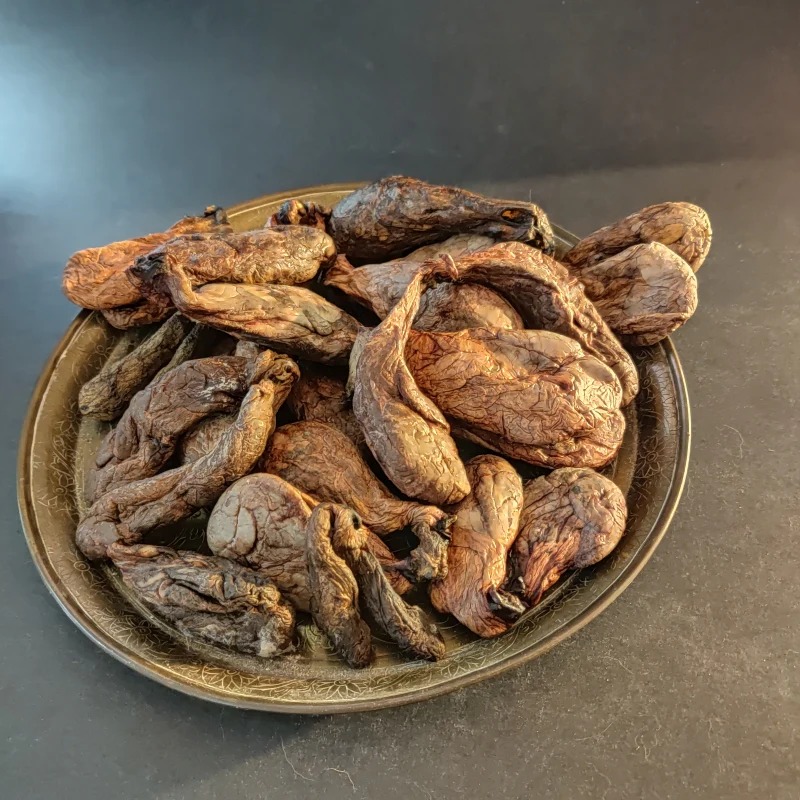
Castoreum is the exudate from the castor sacs of the mature North American Beaver and European Beaver, and it is derived from the animal source Castor canadensis.
What is the origin of the term "Castoreum"?
The term "Castoreum" comes from the Greek word "Kastor," which means beaver.
How is Castoreum obtained from beavers?
Castoreum is obtained from the castor sacs, which are scent glands of the beaver. These sacs are not true glands at a cellular level, but are instead a type of scent gland.
What historical myths are associated with Castoreum?
Ancient commentators believed that Castoreum was derived from the beaver's testicles, a fallacy that was perpetuated in Aesop's fables, where it was suggested that the beaver bit off its testicles to escape predators.
What was Castoreum historically used for?
Historically, Castoreum was used as an aphrodisiac, and beavers were hunted for their fur, not their testicles, which were mistakenly thought to be the source of Castoreum.
Who produces Castoreum today, and how is it sourced?
Currently, a company in Canada farms beavers for their fur coats, and Castoreum is a byproduct of this process, making it one of the few animal products legally allowed for use in perfumery.
What are some chemical compounds found in Castoreum?
Castoreum contains at least twenty-four compounds, including phenols (4-ethylphenol and catechol), ketones (acetophenone and 3-hydroxyacetophenone), and various neutral compounds like monoterpenes and benzoic acid.

Inquire for Your Company's Wholesale Requirements.
Inquire NowHow do the compounds in Castoreum contribute to its fragrance?
These compounds have pheromonal activity and contribute to Castoreum's complex musky, leathery, woody, and sweet odor, with some providing sharp, pungent, or turpentine-like notes.
What role does Castoreum play in perfumery?
Castoreum is used as a key ingredient in many perfumes, providing a rich, animalic undertone that complements leather, woody, and spicy notes.
How does Castoreum contribute to fragrance profiles?
Castoreum adds a sensual, warm, and earthy depth to fragrance profiles, making it an essential base in luxurious, oriental, and fougère perfumes.
What are the safety and toxicity concerns with Castoreum?
Acute toxicity studies indicate that Castoreum extract is non-toxic when administered orally or dermally. It is not irritating or phototoxic to the skin, and skin sensitization has not been observed in human tests.
How has Castoreum historically been used in flavoring and fragrances?
Castoreum has been used historically as both a flavoring and fragrance ingredient, and there have been no reports of adverse human reactions from its long-term use in low concentrations.
How is Castoreum extract prepared for perfumery?
Castoreum extract is typically obtained by aging dried beaver castor sacs for two or more years, during which the raw harshness dissipates, and then alcohol tincturing it.
What makes Castoreum an interesting ingredient in men's fragrances?
Castoreum’s pungent, strong animalic note makes it an intriguing addition to men’s perfumes, as well as in fougères, chypres, oriental bases, and leather notes.
How does Castoreum enhance fragrance accords?
Castoreum helps create sensuality in fragrance accords, providing a warm, sweet, leathery note that adds richness and depth.
What are Castoreum Perfumery Base products used for?
Castoreum Perfumery Base is used extensively in creating fragrances that are sensual, earthy, and warm, especially in high-end perfumery.
How does Castoreum contribute to the longevity of fragrances?
As a base note and fixative, Castoreum increases the longevity of fragrance compositions, helping to maintain their rich scent for longer periods.
Why Choose BMV Fragrances?

Premium Quality:
100% pure and natural essential oils, resinoids, absolutes, and fragrance oils, ensuring unmatched quality.

Innovation-Driven:
Continuous investment in R&D to stay ahead of trends and deliver innovative solutions.

Global Leadership:
Trusted by top brands worldwide for excellence in fragrance production.

Extensive Range:
A wide variety of essential oils, perfume oils and fragrance oils to meet diverse industry needs.

Strict Quality Control:
Every batch undergoes rigorous checks for consistent, high-quality products.

Competitive Pricing:
Top-tier products at competitive prices for great value.
Source directly from manufacturer.
Call Now!
FAQs on Castoreum
The use of Castoreum in perfumery has been documented for centuries, with its earliest use dating back to ancient Greek times.
Castoreum is derived from the castor sacs of the North American and European Beavers, both belonging to the species Castor canadensis.
Castoreum has been used in perfumes since antiquity, with references in ancient texts and later widespread use in the 19th and 20th centuries.
Commercial Castoreum is sourced primarily from beavers farmed for their fur in Canada, with the extract being processed and used in perfumery, especially in the Grasse region of France.
Castoreum is extracted by aging the dried castor sacs for two or more years and then tincturing them with alcohol to create a resin-like extract.
Due to its potency, Castoreum is used in very small quantities in perfume formulations, often as a fixative or base note.
Castoreum is used in a variety of fragrance families, especially in fougères, chypres, and oriental perfumes, often for men’s fragrances.
The use of Castoreum is regulated by authorities such as the FDA for food products and IFRA for fragrances, ensuring its safe use within legal limits.
Fougère and chypre perfumes, particularly those with leather, woody, and spicy notes, benefit greatly from the addition of Castoreum.
Castoreum is stored in airtight containers in cool, dark conditions to preserve its potency and prevent degradation.
The Grasse region of France is the primary hub for the perfumery industry, where Castoreum is processed and used extensively in fragrance formulations.
Castoreum adds a rich, earthy, and animalic depth to fragrances, making them more complex and long-lasting.
As the fragrance industry moves towards more sustainable and ethical sourcing, the use of Castoreum may face regulatory challenges, but its unique scent profile continues to make it irreplaceable in luxury perfumery.

Copyright @ 2026 | BMV Fragrances Private Limited | All Rights Reserved
Website Design & Digital Marketing by webmasterindia.
Website Updated On: