
Pure & Natural Carthamus Oil Manufacturer & Supplier
BMV Fragrances is a premier manufacturer and supplier specializing in high-quality Carthamus Oil, serving the perfumery and fragrance industries. With state-of-the-art facilities for reconstitutions and natural extractions, we ensure purity and consistency in every product. Our competitive pricing allows businesses to access premium products without compromising on quality. Backed by a robust global distribution network, we deliver quickly and reliably. Our extensive product range reflects our ongoing commitment to research, innovation, and customer satisfaction, which remains our top priority. Trusted by industries worldwide, BMV has built a strong reputation over decades.
BMV Fragrances stands as a symbol of Reliability, Quality, and Excellence in the perfumery & fragrance manufacturing industry.
What is Carthamus and How Is It Identified Botanically and Traditionally?
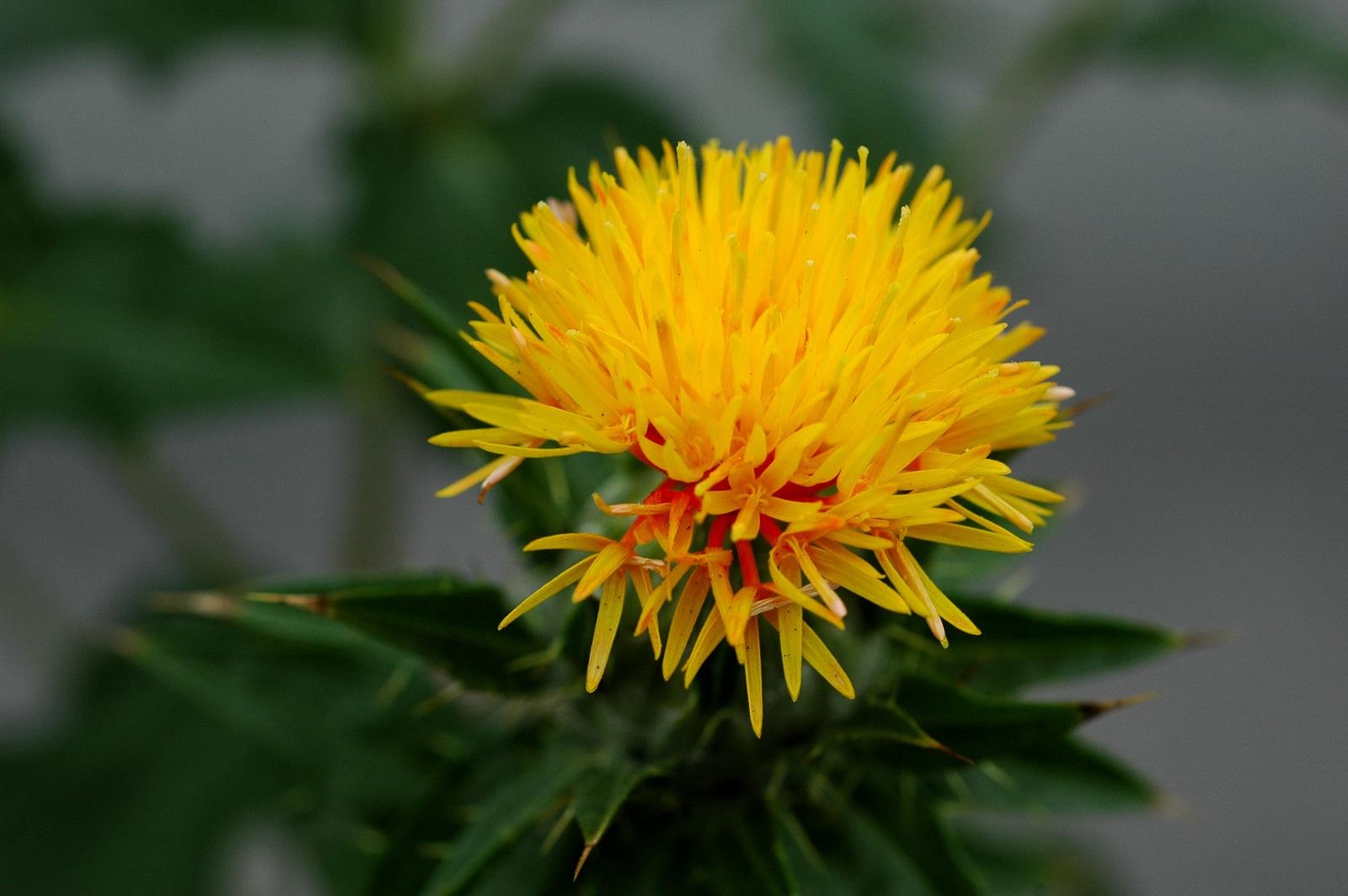
Carthamus (Sanskrit: Kusumbha), also known as safflower, is a highly branched, herbaceous, thistle-like annual plant cultivated mainly for oil extraction from its seeds.
What Physical Characteristics Define the Carthamus Plant?
Carthamus plants grow between 30 to 150 cm tall and have globular flower heads with yellow, orange, or red flowers.
How Many Seeds Does Carthamus Produce Per Flower Head?
Each Carthamus branch usually bears one to five flower heads, with each flower head containing 15 to 20 seeds.
Where Does Carthamus Naturally Grow and Adapt Well?
Carthamus is native to arid environments with seasonal rainfall and is well adapted to such climates.
How Does Carthamus Survive in Arid Environments?
Carthamus develops a deep taproot that allows it to access moisture from deeper soil layers, enabling survival in dry conditions.
What Is the Current Global Production Status of Carthamus?
Carthamus is a minor crop today, with around 600,000 tons produced commercially across more than sixty countries.
Which Countries Are Leading Producers of Carthamus?
India, the United States, and Mexico are the leading producers, followed by Ethiopia, Kazakhstan, China, the Arab World, Argentina, and Australia.
What Are the Other Names Used for Carthamus?
Carthamus is also referred to as Safflower, Beni, Chimichanga, or Carthamus tinctorius.

Inquire for Your Company's Wholesale Requirements.
Inquire NowHow Was Carthamus Traditionally Used Before Modern Industrial Cultivation?
Traditionally, Carthamus was cultivated for its seeds and flowers for colouring and flavouring foods, medicinal use, and for producing red (carthamin) and yellow dyes.
How Has the Use of Carthamus Changed Over the Last Fifty Years?
Over the last fifty years, Carthamus has been cultivated primarily for vegetable oil extracted from its seeds.
What Are the Sensory and Nutritional Characteristics of Carthamus Seed Oil?
Carthamus seed oil is flavourless, colourless, and nutritionally similar to sunflower oil.
Where Is Carthamus Seed Oil Commonly Used?
Carthamus seed oil is used in cosmetics, cooking oils, salad dressings, margarine production, and as a nutritional supplement.
Why Is Pure Carthamus Oil Valued in Skincare Formulations?
Pure Carthamus oil is prized in premium skincare formulations for its deeply hydrating and rejuvenating properties.
What Types of Oil Are Produced from Carthamus Seeds?
Carthamus produces two oil types: one high in monounsaturated fatty acids (oleic acid) and another high in polyunsaturated fatty acids (linoleic acid).
Which Carthamus Oil Type Dominates the Edible Oil Market?
The high-oleic Carthamus oil dominates the edible oil market due to its lower saturated fat content compared to olive oil.
How Is Pure Carthamus Oil Used in Culinary and Nutraceutical Sectors?
Pure Carthamus oil, rich in essential fatty acids, is favoured for culinary use and nutraceutical applications due to its health benefits.
How Is the High-Linoleic Carthamus Oil Used Industrially?
High-linoleic Carthamus oil is used in painting as a substitute for linseed oil, particularly in white paints as it lacks a yellow tint.
How Are Carthamus Flowers Used in Cooking Traditions?
Carthamus flowers are occasionally used as a cheaper substitute for saffron and are sometimes called “bastard saffron.”
What Role Do Pure Carthamus Extracts Play in Gourmet Cuisine?
Pure Carthamus extracts derived from flowers are gaining popularity as natural colouring and flavouring agents in gourmet cooking.
What Is Carthamus Absolute and How Is It Produced?
Carthamus Absolute is produced from the dried flowers of Carthamus tinctorius.
What Is the Fragrance Profile of Carthamus Absolute?
Carthamus Absolute has a deep floral, herbal, and slightly anisic odour.
How Is Carthamus Absolute Used in Perfumery?
Carthamus Absolute provides body to heavy florals such as Jasmine and Tuberose and is valued for creating complex fragrance blends.
Which Traditional Fragrance Blends Use Carthamus Absolute?
Carthamus Absolute is commonly used in Hina, Shamama blends, and Saffron flavour compositions.
Why Choose BMV Fragrances?

Premium Quality:
100% pure and natural essential oils, resinoids, absolutes, and fragrance oils, ensuring unmatched quality.

Innovation-Driven:
Continuous investment in R&D to stay ahead of trends and deliver innovative solutions.

Global Leadership:
Trusted by top brands worldwide for excellence in fragrance production.

Extensive Range:
A wide variety of essential oils, perfume oils and fragrance oils to meet diverse industry needs.

Strict Quality Control:
Every batch undergoes rigorous checks for consistent, high-quality products.

Competitive Pricing:
Top-tier products at competitive prices for great value.
Source directly from manufacturer.
Call Now!
FAQs on Carthamus
Carthamus is cultivated by agricultural producers across India, the United States, Mexico, and several arid and semi-arid regions worldwide.
Carthamus originates from the species Carthamus tinctorius, belonging to the Asteraceae family.
Carthamus is harvested once the flower heads mature and seeds are fully developed, usually in dry seasonal conditions.
Carthamus thrives in arid and semi-arid regions with seasonal rainfall across Asia, North America, Africa, and Australia.
Carthamus oil is extracted primarily through cold pressing or solvent extraction methods depending on end-use requirements.
Carthamus seeds typically yield 30–40% oil content depending on cultivar and extraction method.
Carthamus oil is dominated by two major fatty acids: oleic acid and linoleic acid.
Carthamus products are regulated under IFRA guidelines for fragrances and Codex Alimentarius and ISO standards for edible oils.
Carthamus is widely used in cosmetics, perfumery, culinary applications, nutraceuticals, and industrial coatings.
Carthamus is used within regulated concentration limits, ensuring safety for topical, food, and fragrance applications.
They should be stored in airtight, light-resistant containers under cool, dry conditions to prevent oxidation.
Under proper storage conditions, Carthamus oil and Carthamus Absolute generally have a shelf life of 18 to 24 months.
Increasing demand for natural, sustainable, and plant-based ingredients is driving future growth for Carthamus products.

Copyright @ 2026 | BMV Fragrances Private Limited | All Rights Reserved
Website Design & Digital Marketing by webmasterindia.
Website Updated On: