
Buchu Reconstitution Bulk Manufacturer and Supplier
BMV Fragrances is a leading manufacturer and supplier of superior quality Buchu Reconstitutions variants widely used in perfumery, and fragrance industries. With world-class infrastructure for reconstitutions and natural extractions, BMV delivers consistency and purity in every product. Competitive pricing ensures affordability without compromising on quality. A robust distribution network enables quick and reliable delivery worldwide. The company’s diverse product portfolio reflects our commitment to continuous research and innovation. Customer satisfaction is always the highest priority. With decades of experience, BMV Fragrances has earned trust across industries.
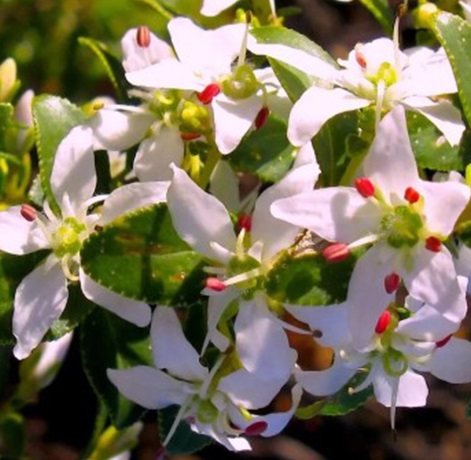
BMV Fragrances stands as a symbol of Reliability, Quality, and Excellence in the perfumery & fragrance manufacturing industry.
What is the botanical source and distillation method for Buchu Reconstitution?
This essential oil is steam distilled from the dried leaves of Barosma Betulina, a herb that grows abundantly in the wilds of South Africa. Tinctures, oleoresins, and other extracts are produced for pharmaceutical purposes.
Where is the processing of leaves for Buchu Reconstitution primarily located?
Only a small fraction of the harvested leaves is used for essential oil distillation, which takes place almost exclusively in Holland, England, and the United States, and rarely in the growing regions.
What are the physical properties and visual appearance of Buchu Reconstitution?
It is a yellow to brownish-yellow liquid that can be oily or somewhat viscous, depending on the oil's age and the dryness of the plant material before distillation.
How would one describe the unique aromatic profile of Buchu Reconstitution?
The aroma is very distinctive: strong, bitter-sweet, minty-camphoraceous, root-like, penetrating, and somewhat medicinal, reminiscent of cough preparations.

Which chemical constituents define the antiseptic nature of Buchu Reconstitution?
One of the main constituents of the oil is Diosphenol, a terpenoid phenol responsible for its antiseptic properties. A significant content of menthone in the oil likely contributes to its minty odor and cool flavor.
In what specific fragrance bases is Buchu Reconstitution typically utilized?
The oil is occasionally used in chypre bases and certain types of colognes for its power, diffusion, and freshness.
What "tart" flavor profiles can be enhanced by Buchu Reconstitution?
In flavors, it may be employed for gooseberry and other "tart" profiles.
How does the potency of Buchu Reconstitution affect its usage levels in formulations?
Due to its highly distinctive aroma, this oil is always used in minimal quantities within formulations—a low-percentage item, if you will. It is not practical to specify a precise use level as the flavor profile evolves significantly upon dilution.
Why Choose BMV Fragrances?

Premium Quality:
100% pure and natural essential oils, resinoids, absolutes, and fragrance oils, ensuring unmatched quality.

Innovation-Driven:
Continuous investment in R&D to stay ahead of trends and deliver innovative solutions.

Global Leadership:
Trusted by top brands worldwide for excellence in fragrance production.

Extensive Range:
A wide variety of essential oils, perfume oils and fragrance oils to meet diverse industry needs.

Strict Quality Control:
Every batch undergoes rigorous checks for consistent, high-quality products.

Competitive Pricing:
Top-tier products at competitive prices for great value.

Source directly from manufacturer.
Call Now!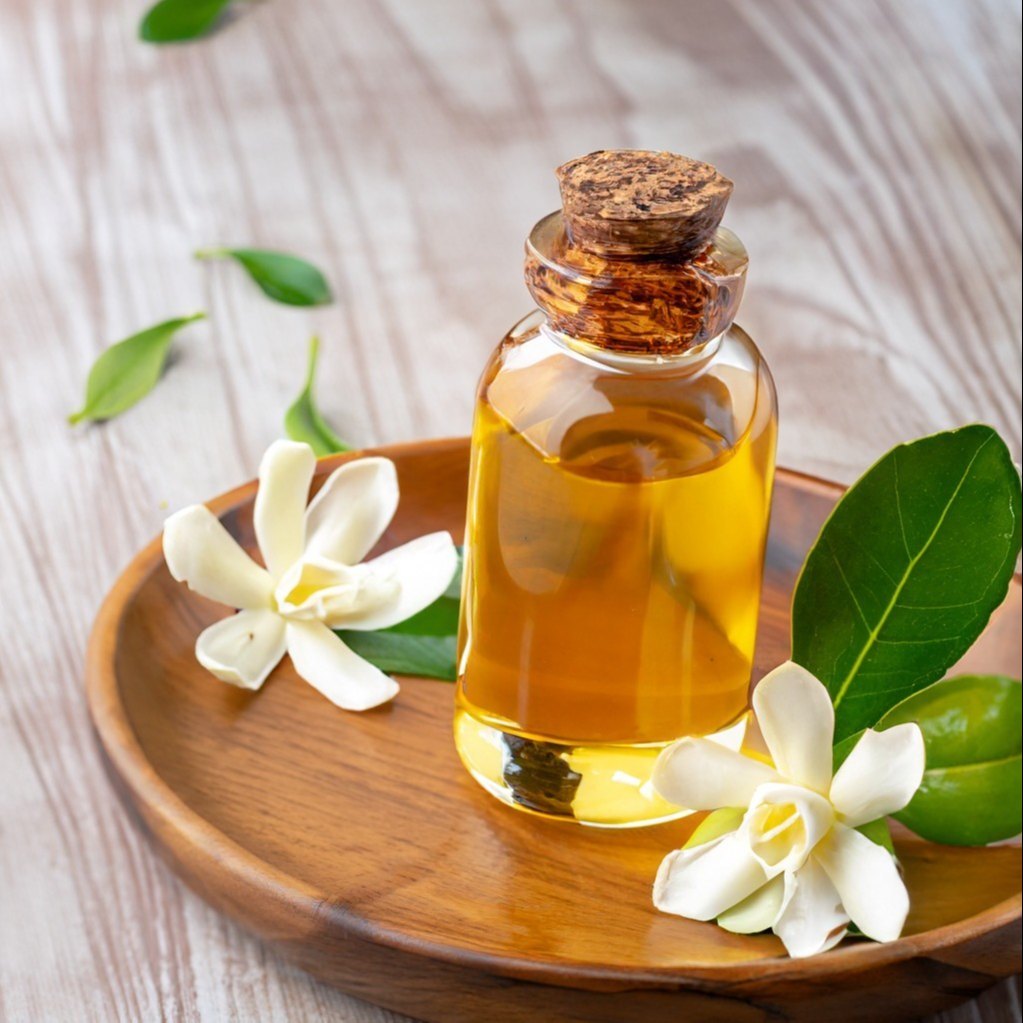
Buchu Reconstitution FAQs

Copyright @ 2026 | BMV Fragrances Private Limited | All Rights Reserved
Website Design & Digital Marketing by webmasterindia.
Website Updated On: