
Bergamot Manufacturer, Supplier & Exporter
BMV Fragrances is a premier manufacturer and supplier specializing in high-quality Bergamot, serving the perfumery and fragrance industries. With state-of-the-art facilities for reconstitutions and natural extractions, we ensure purity and consistency in every product. Our competitive pricing allows businesses to access premium products without compromising on quality. Backed by a robust global distribution network, we deliver quickly and reliably. Our extensive product range reflects our ongoing commitment to research, innovation, and customer satisfaction, which remains our top priority. Trusted by industries worldwide, BMV has built a strong reputation over decades.
BMV Fragrances stands as a symbol of Reliability, Quality, and Excellence in the perfumery & fragrance manufacturing industry.
What is Bergamot and where does it originate?
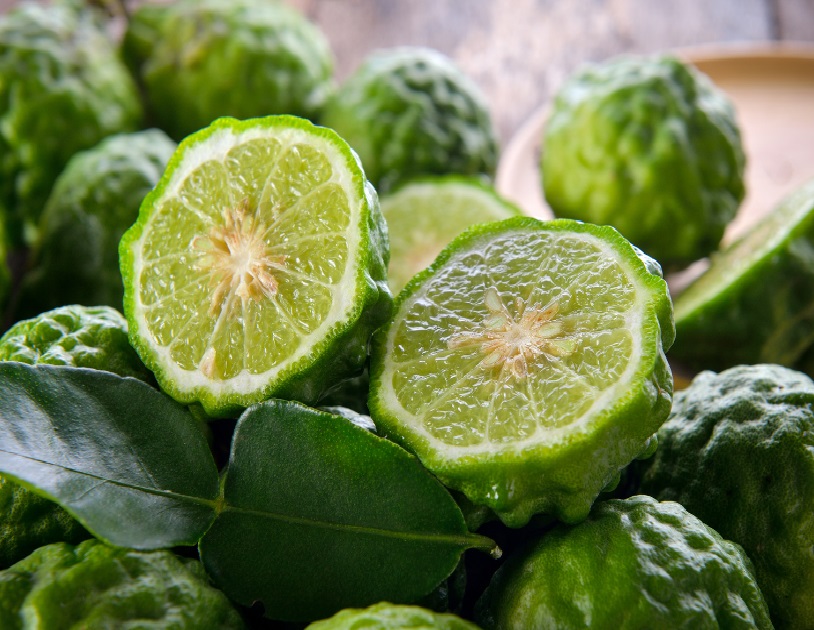
Bergamot (Citrus bergamia) is a small, pear-shaped citrus fruit that is primarily grown in the Ionian coastal region of Reggio Calabria, southern Italy. It is a hybrid between pear lemon and either Seville orange or grapefruit, and it is grown predominantly for its essential oil.
What are the main regions where Bergamot is cultivated?
Bergamot is mainly cultivated in the Ionian region of southern Italy, but it is also grown in smaller quantities in the Ivory Coast, Argentina, and Brazil. However, nowhere else produces the same high yield and quality of essence.
What does the name “Bergamot” refer to?
The name Bergamot comes from the Italian city of Bergamo, where its oil was first marketed, and it has since become synonymous with the region and the fruit.
How is Bergamot essential oil extracted?
Bergamot essential oil is extracted from the ripe fruit peel through cold pressing, and it is highly valued for its fresh, sweet aroma in perfumery and other applications.
What is the fragrance profile of Bergamot oil?
Bergamot oil has a fresh, fruity-sweet scent with a subtle spicy note. It is characterized by a sweet initial top note followed by a more herbaceous and balsamic body and dry-down. As it ages, it reveals a richer, tobacco-like aroma.
What are the main compounds in Bergamot oil?
The key compounds in Bergamot oil include terpenes, linalyl acetate, linalool, citral, and aliphatic aldehydes, which contribute to its characteristic scent profile of citrusy, sweet, and slightly spicy notes.

Inquire for Your Company's Wholesale Requirements.
Inquire NowHow is the quality of Bergamot oil determined?
The quality of Bergamot oil is largely determined by the presence of a rich, sweet top note and a characteristic oily-herbaceous body. Poor-quality oil often lacks this “oily” note, indicating it may be adulterated or degraded.
What is the annual production of Bergamot oil?
Bergamot oil production fluctuates between 150 and 250 tons annually, primarily in southern Italy, where the fruit is grown.
How does Bergamot oil change over time?
Bergamot oil tends to fade in color with age, especially when exposed to light, turning from green or olive-green to yellow or pale olive-brown. The oil’s fragrance may also become less vibrant over time.
What are the uses of Bergamot oil in perfumery?
Bergamot oil is widely used in perfumery, especially in citrus colognes, chypres, fougères, and modern fantasy bases. It provides freshness and complexity to the top notes and acts as a key component in many popular perfume compositions.
What is the difference between natural and synthetic Bergamot oil?
While natural Bergamot oil is prized for its complexity, synthetic Bergamot oil has gained popularity as a more stable, cost-effective alternative. The synthetic version mimics the sweet, citrusy aroma of natural Bergamot, making it suitable for mass-market products.
Why Choose BMV Fragrances?

Premium Quality:
100% pure and natural essential oils, resinoids, absolutes, and fragrance oils, ensuring unmatched quality.

Innovation-Driven:
Continuous investment in R&D to stay ahead of trends and deliver innovative solutions.

Global Leadership:
Trusted by top brands worldwide for excellence in fragrance production.

Extensive Range:
A wide variety of essential oils, perfume oils and fragrance oils to meet diverse industry needs.

Strict Quality Control:
Every batch undergoes rigorous checks for consistent, high-quality products.

Competitive Pricing:
Top-tier products at competitive prices for great value.
Source directly from manufacturer.
Call Now!

Bergamot FAQs

Copyright @ 2026 | BMV Fragrances Private Limited | All Rights Reserved
Website Design & Digital Marketing by webmasterindia.
Website Updated On: